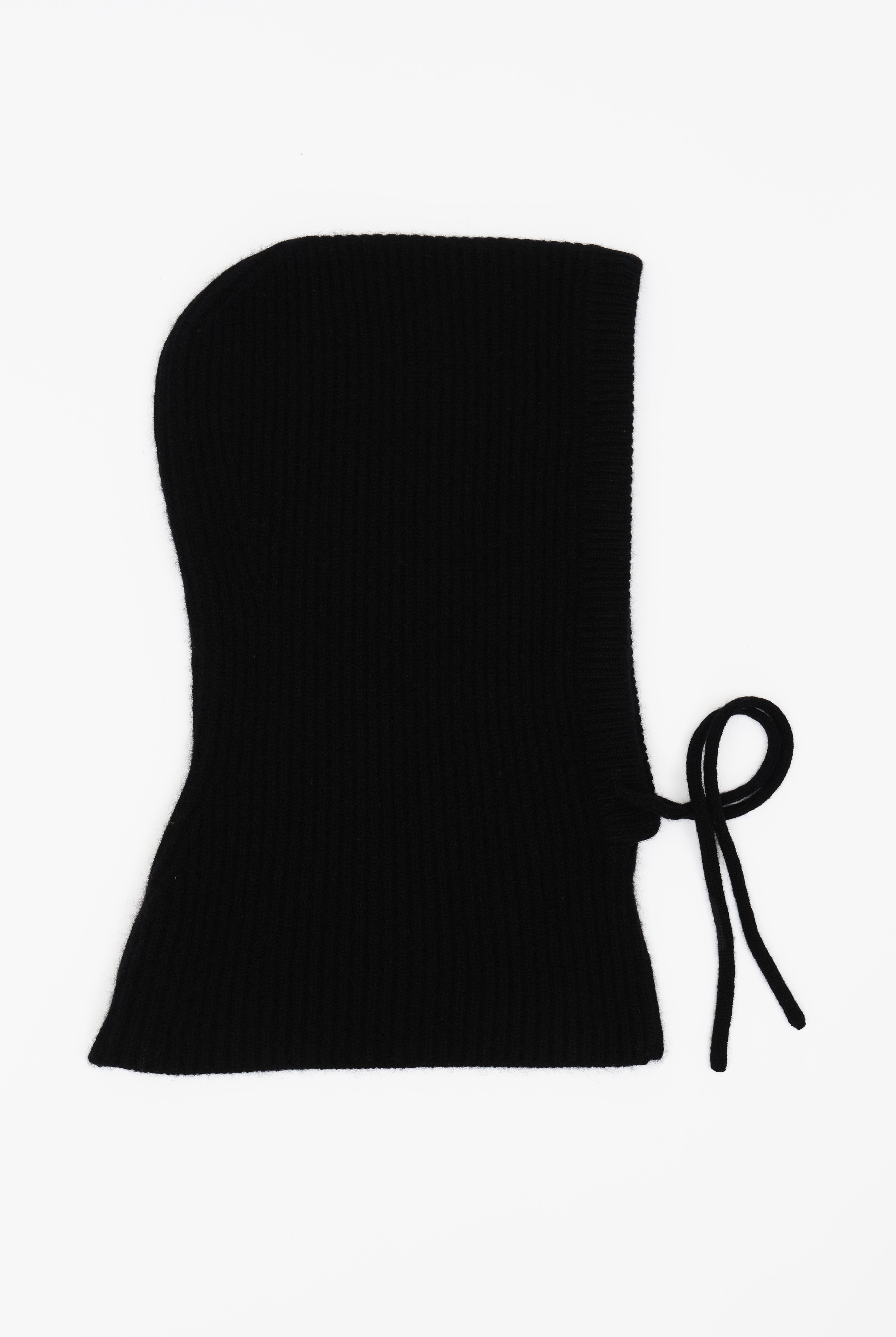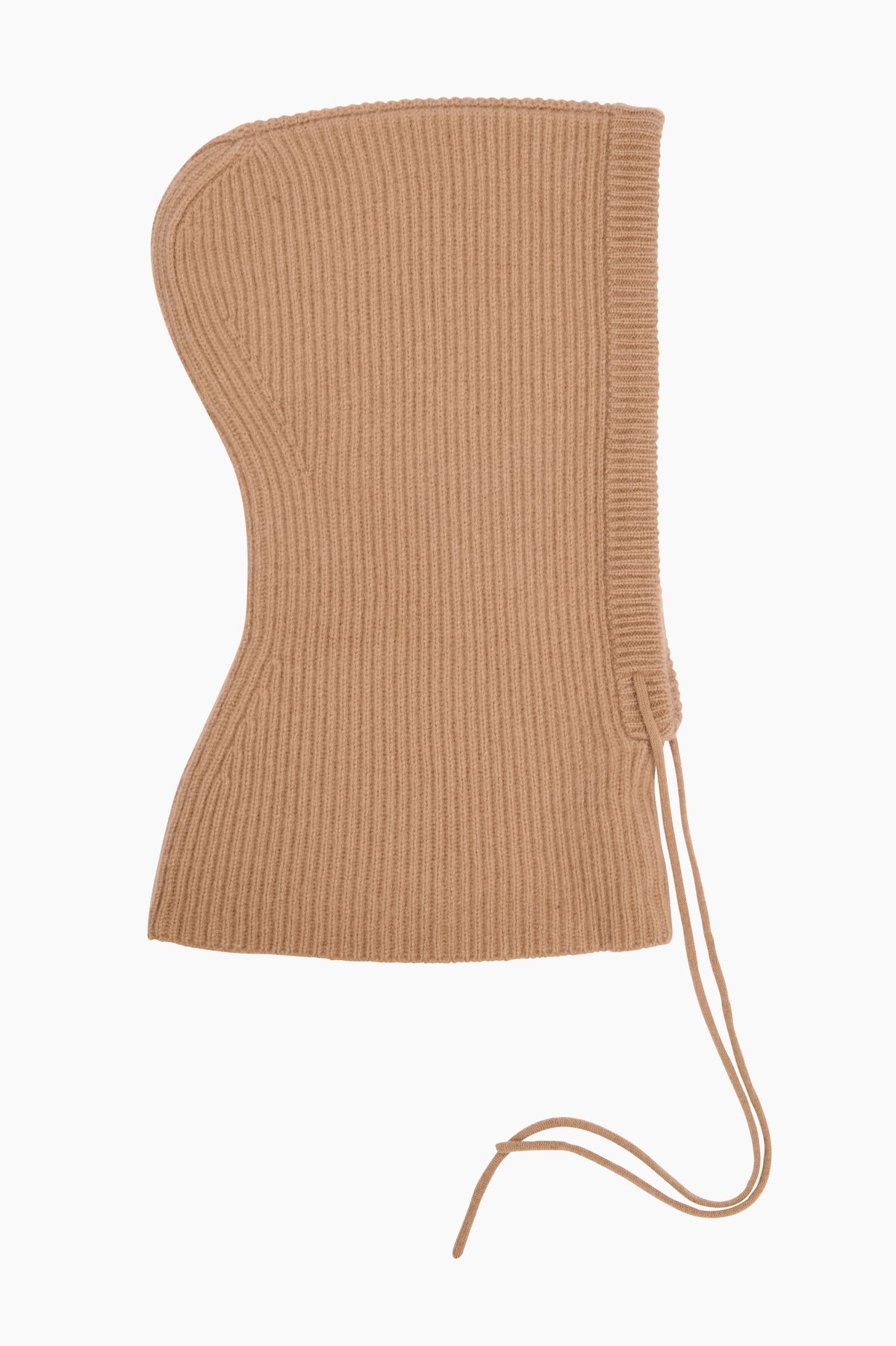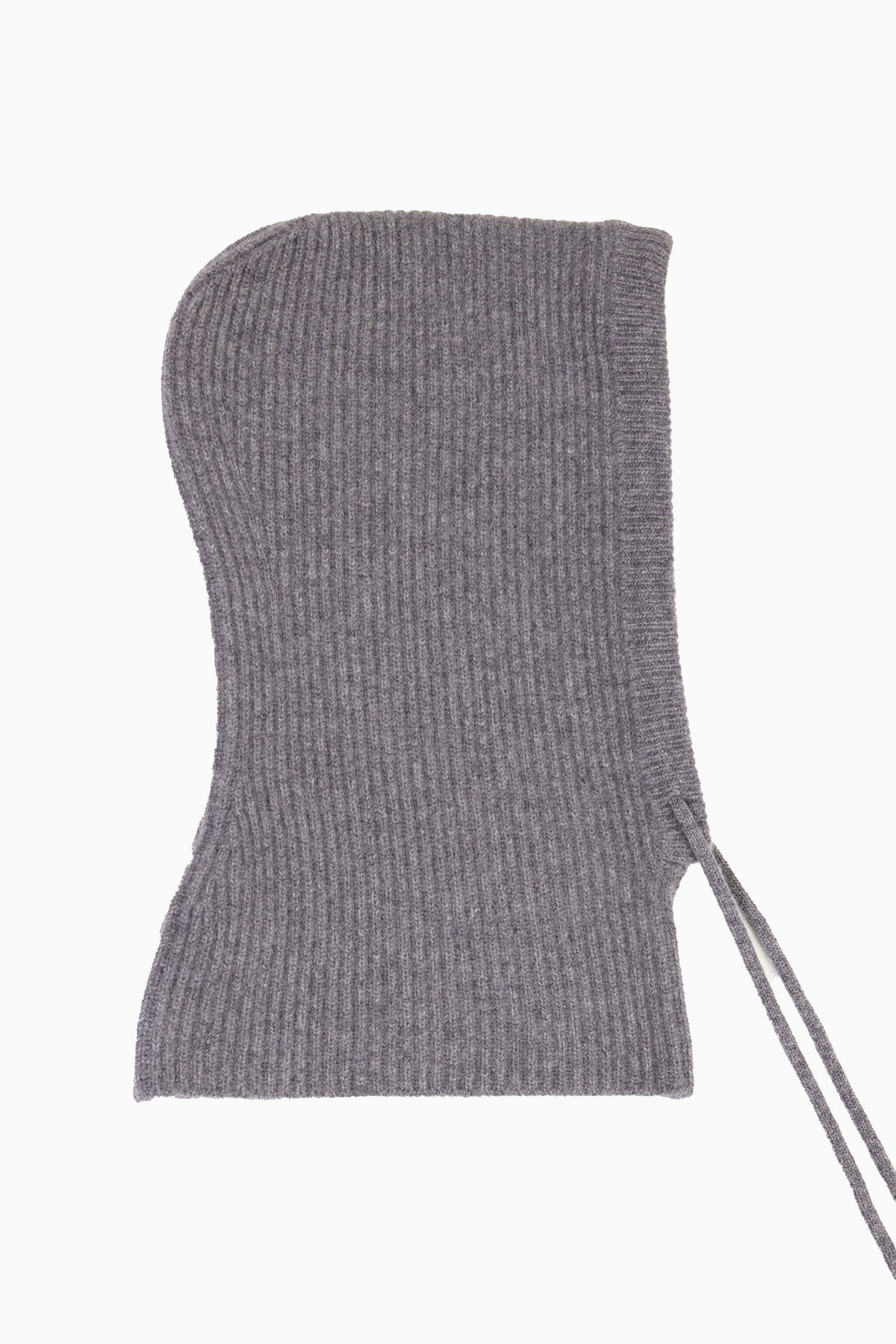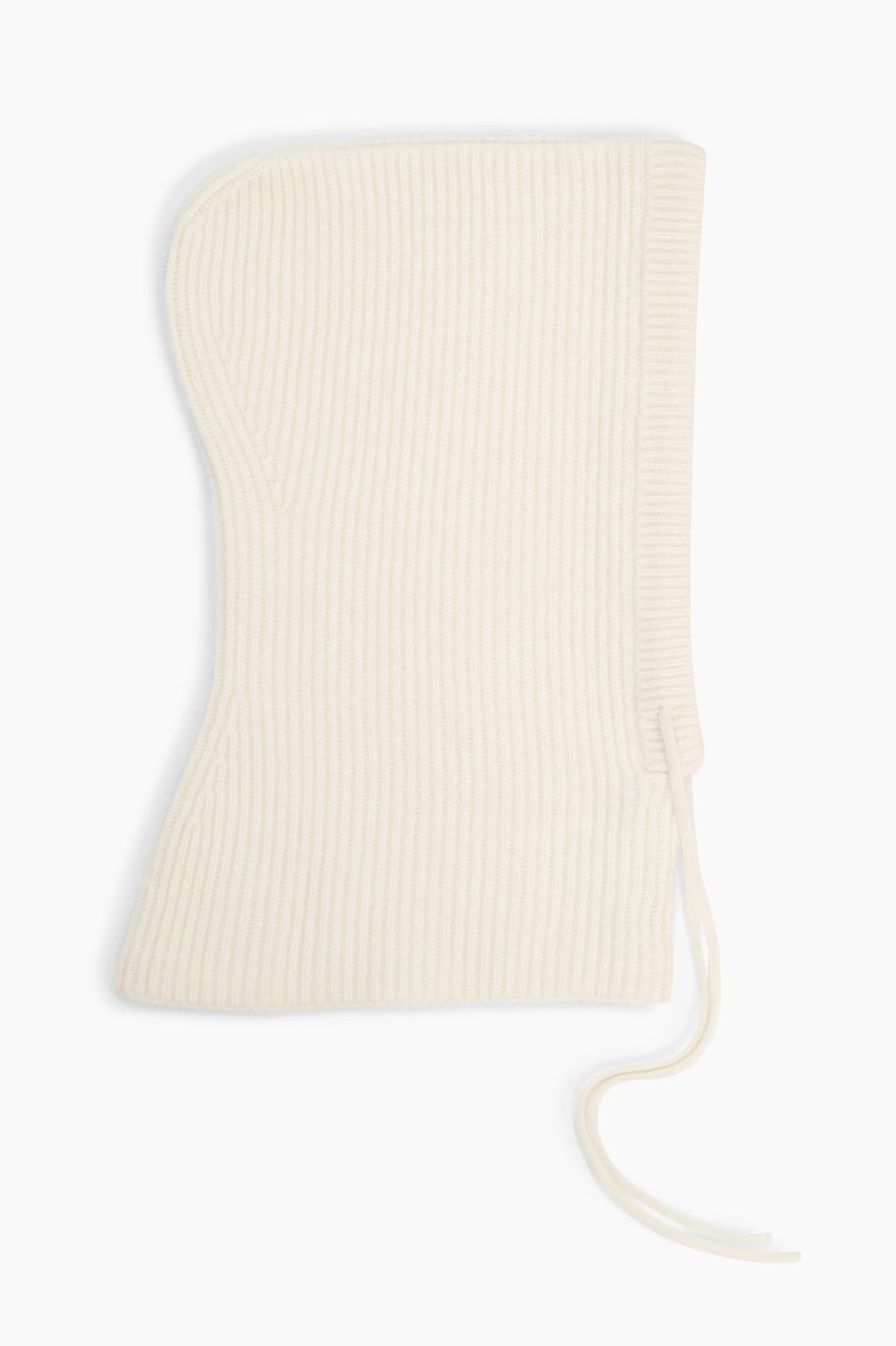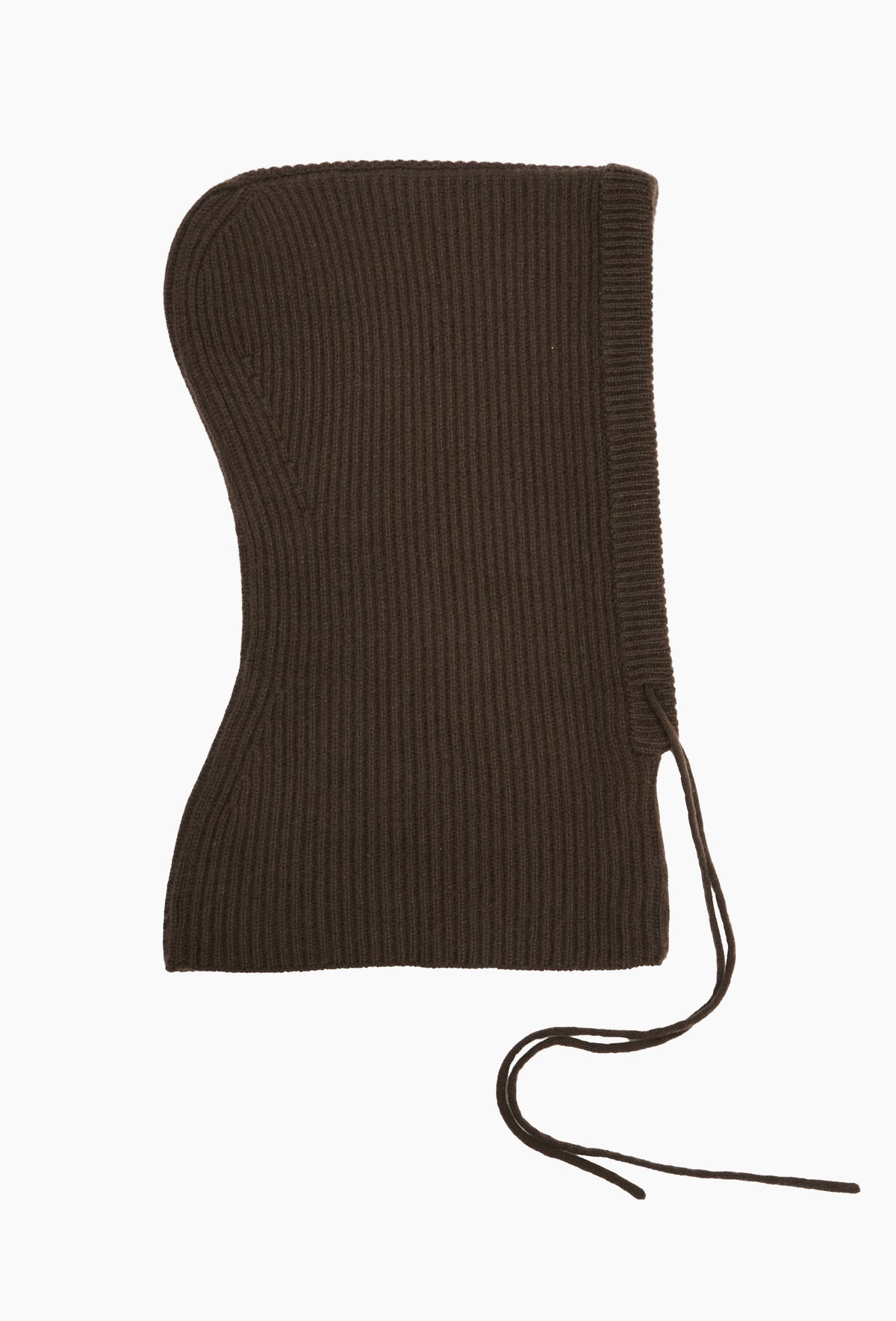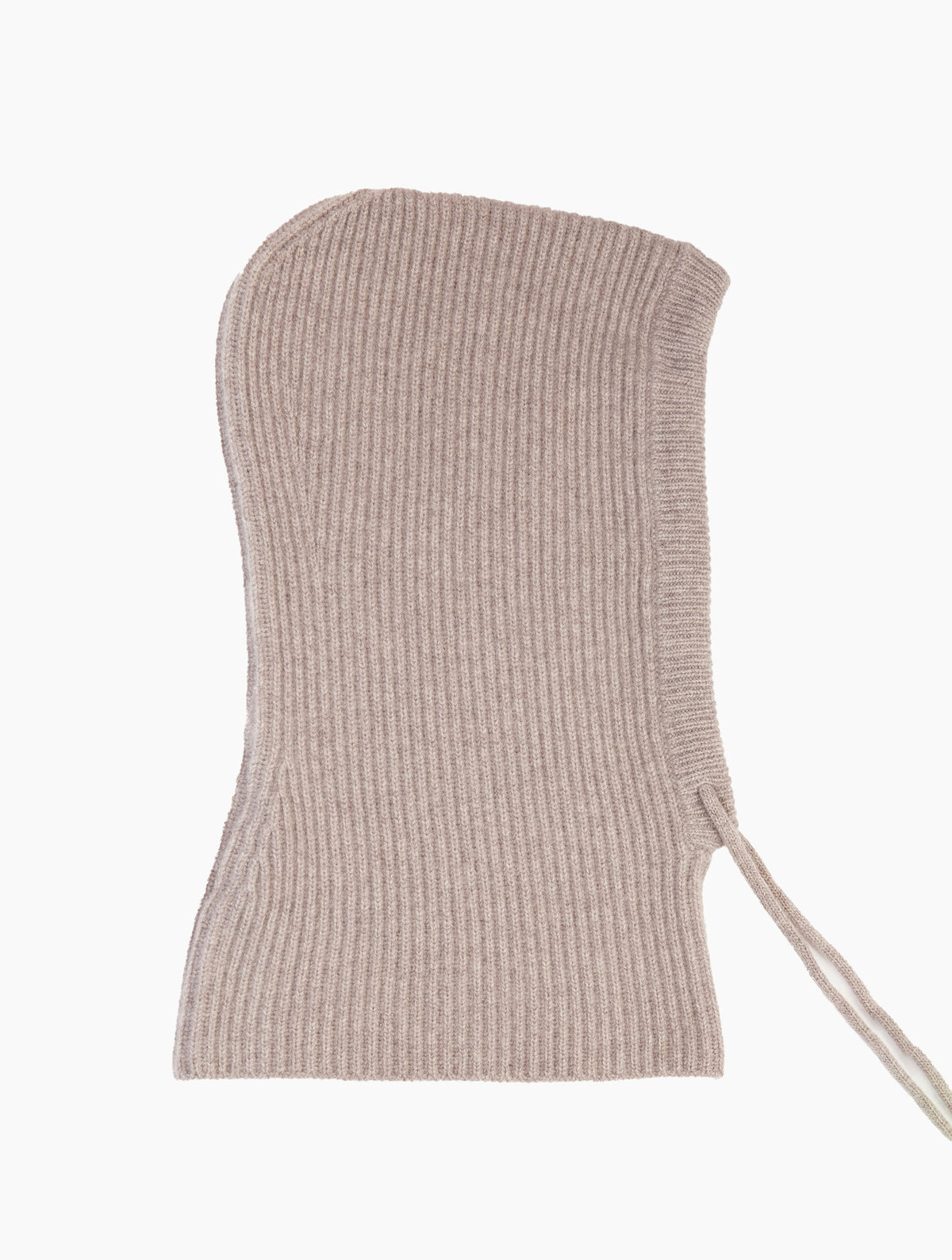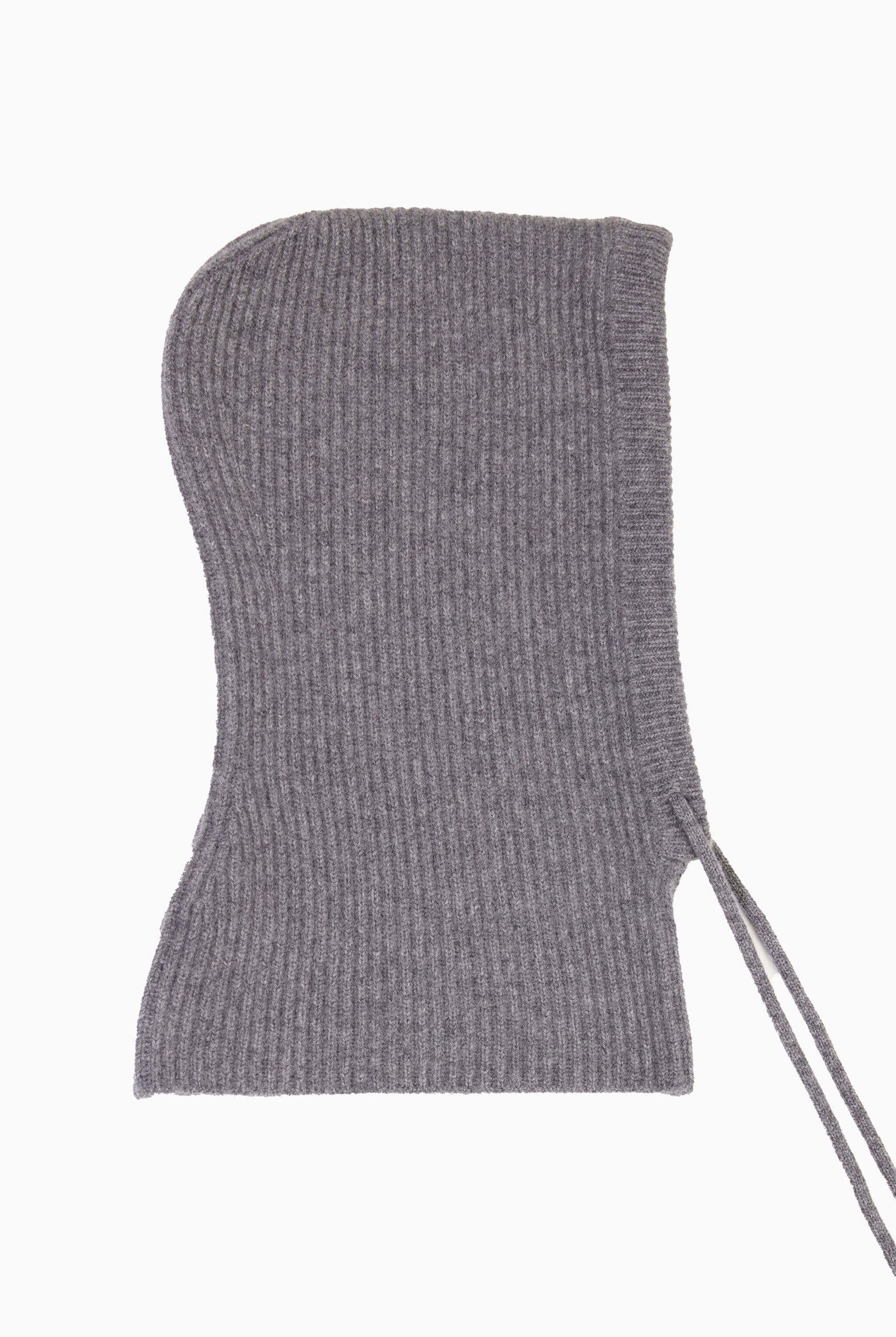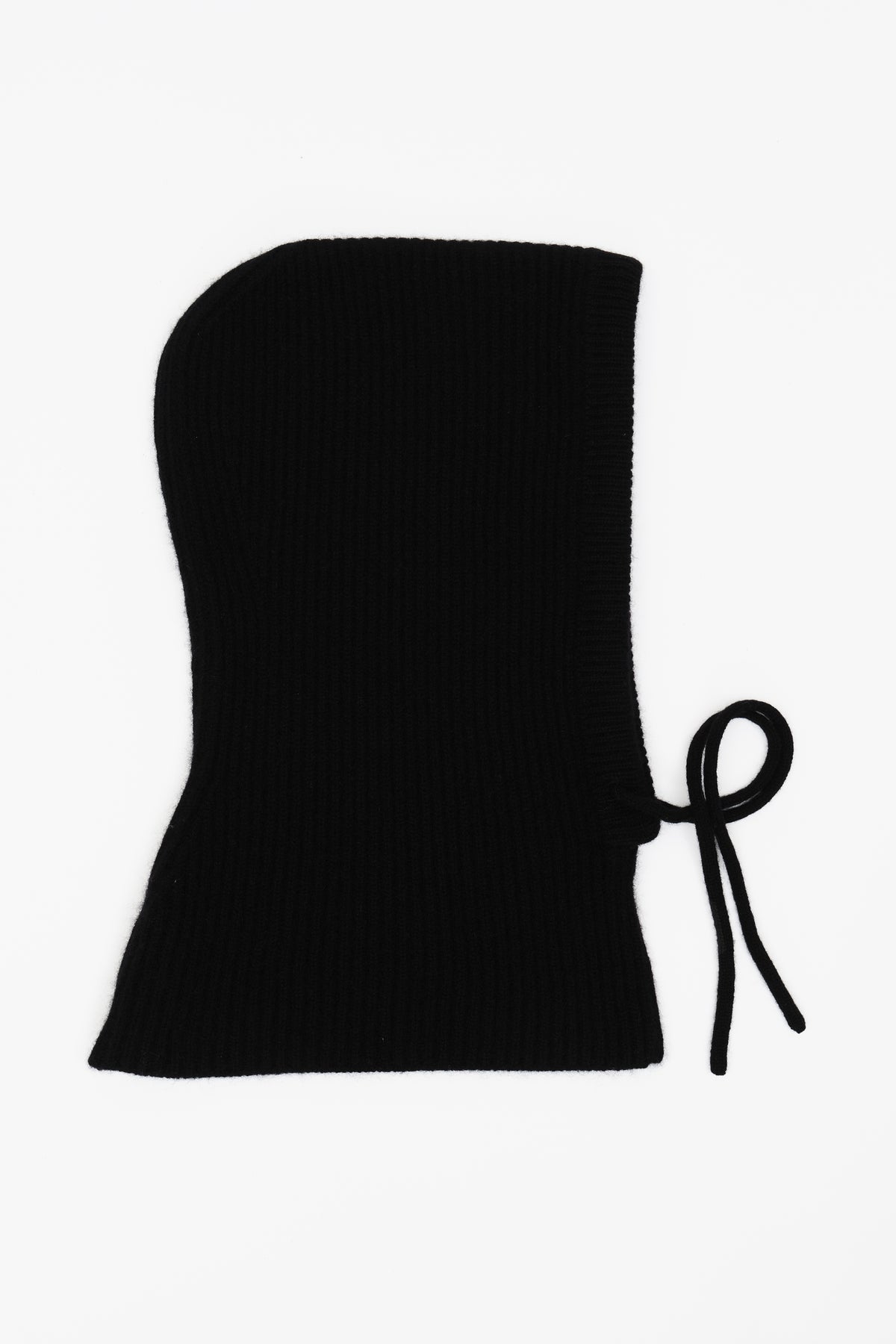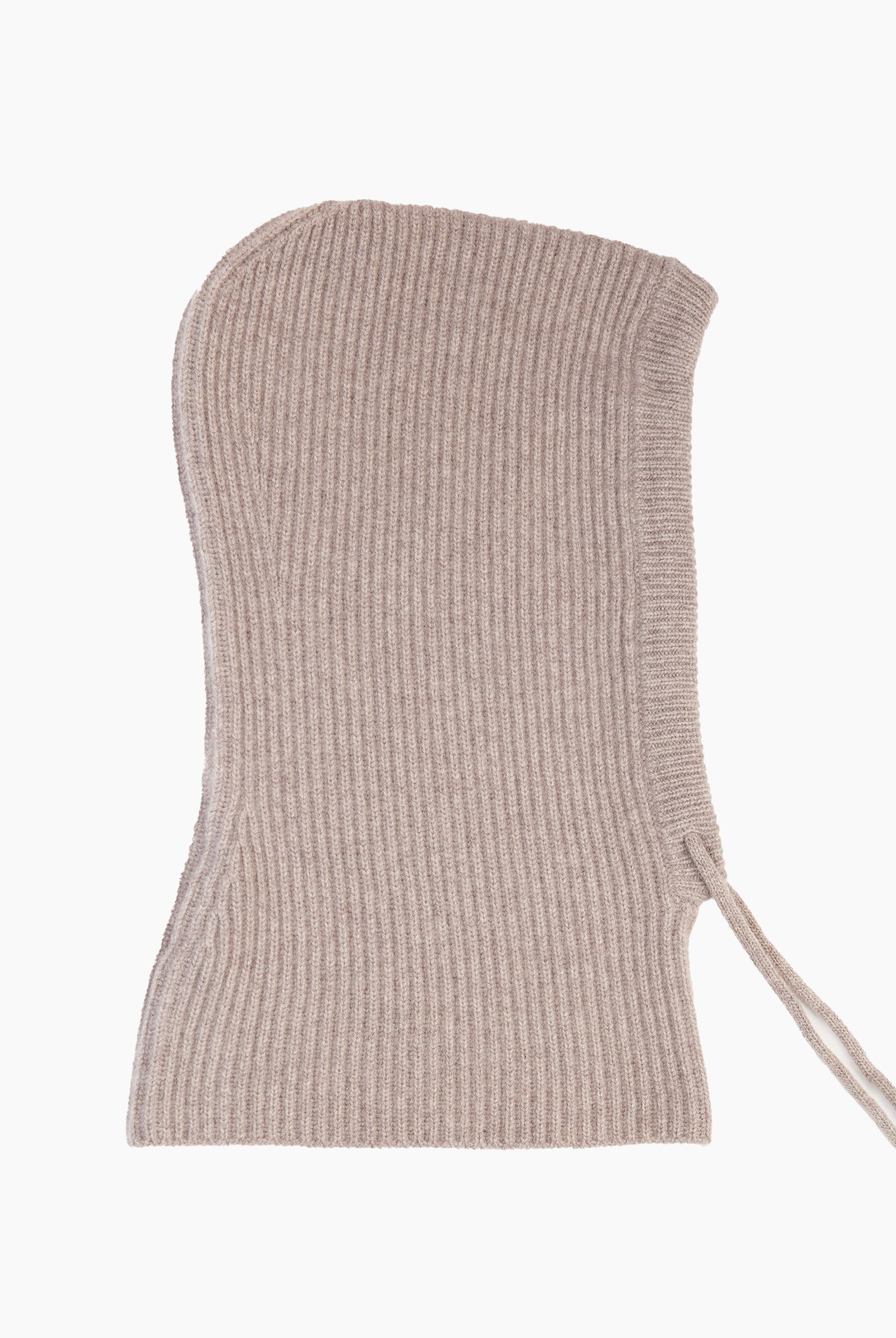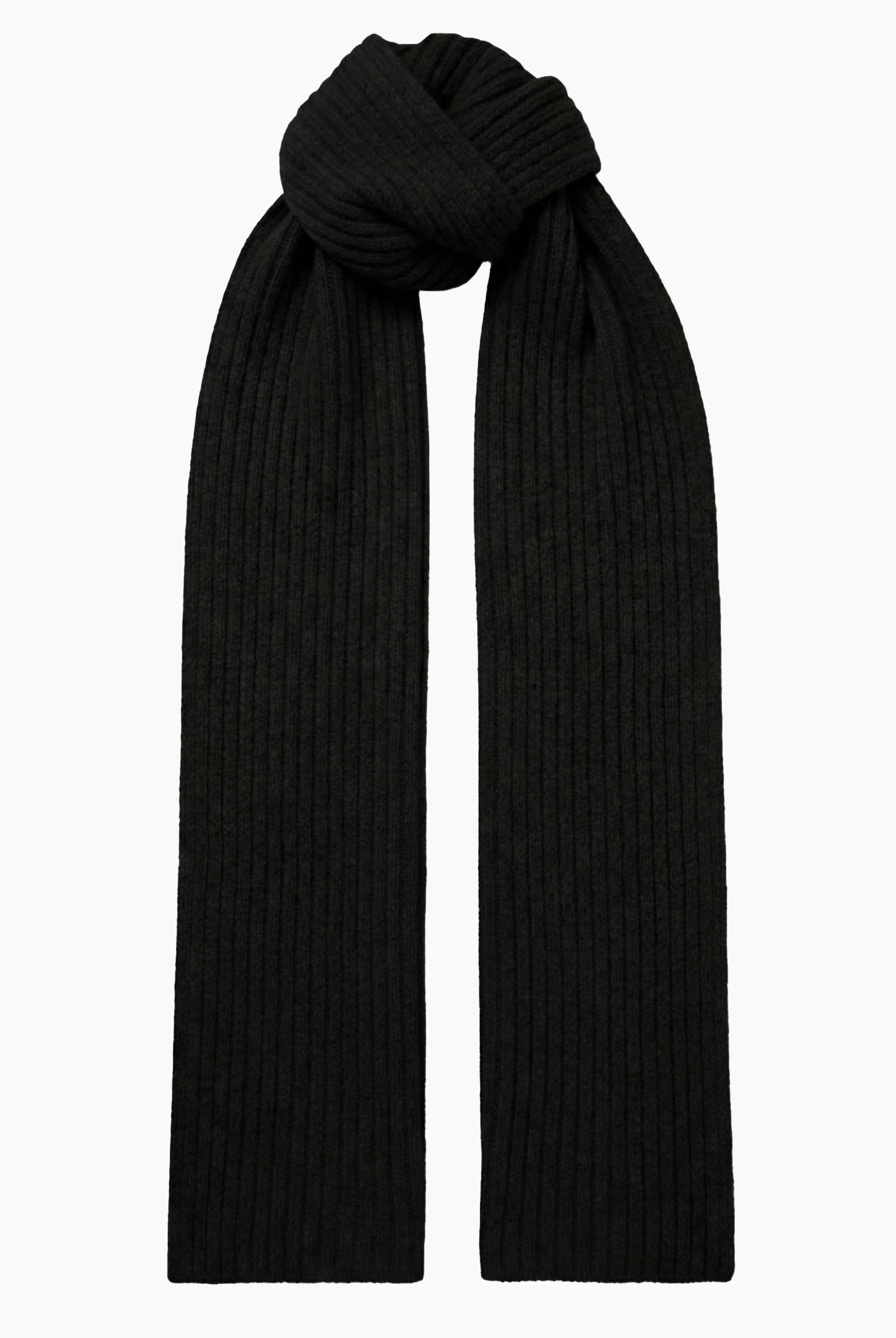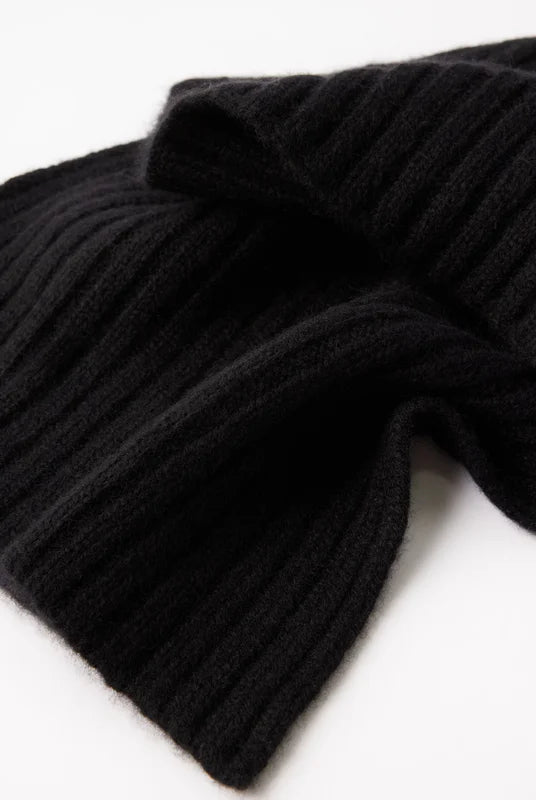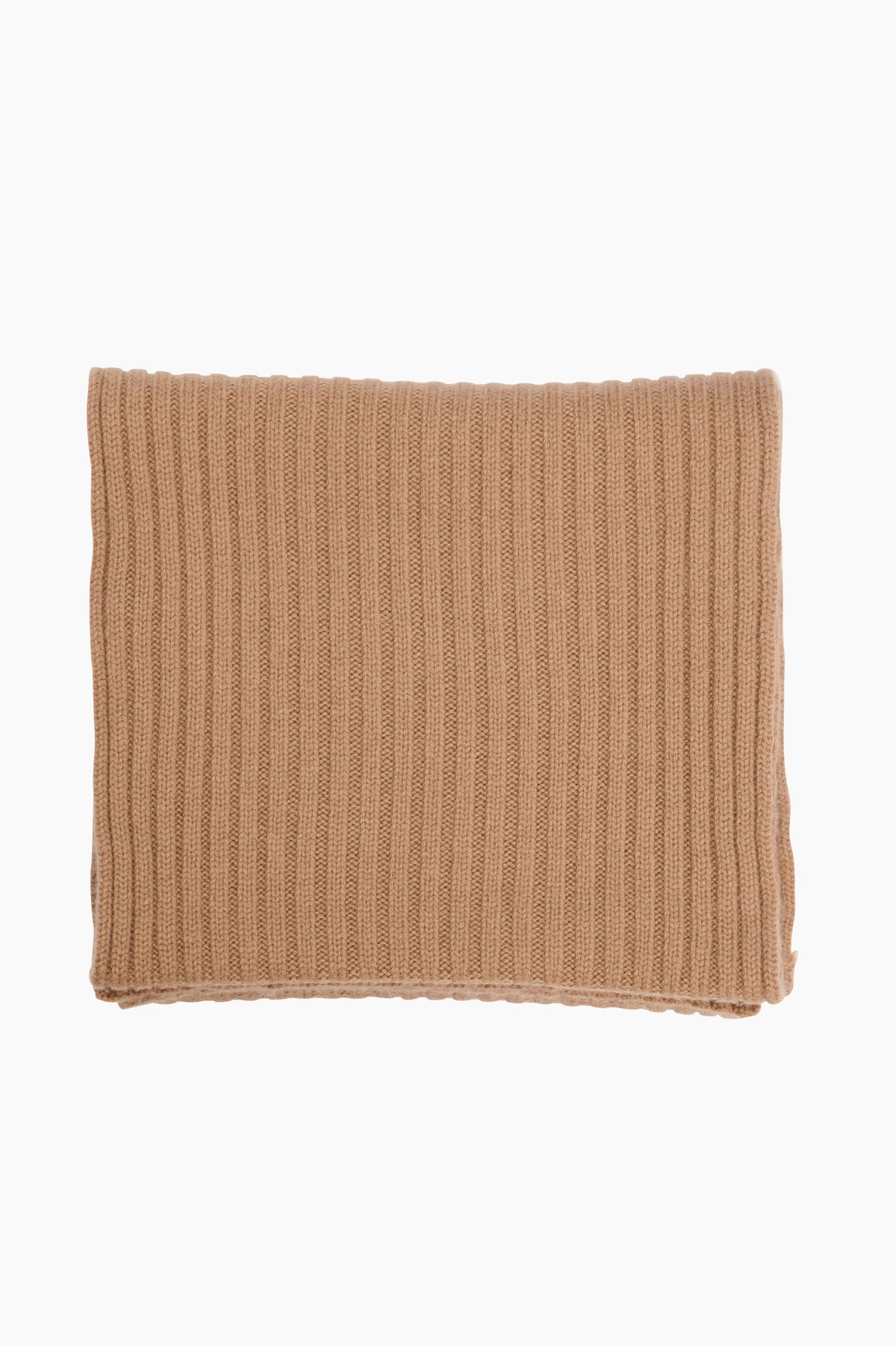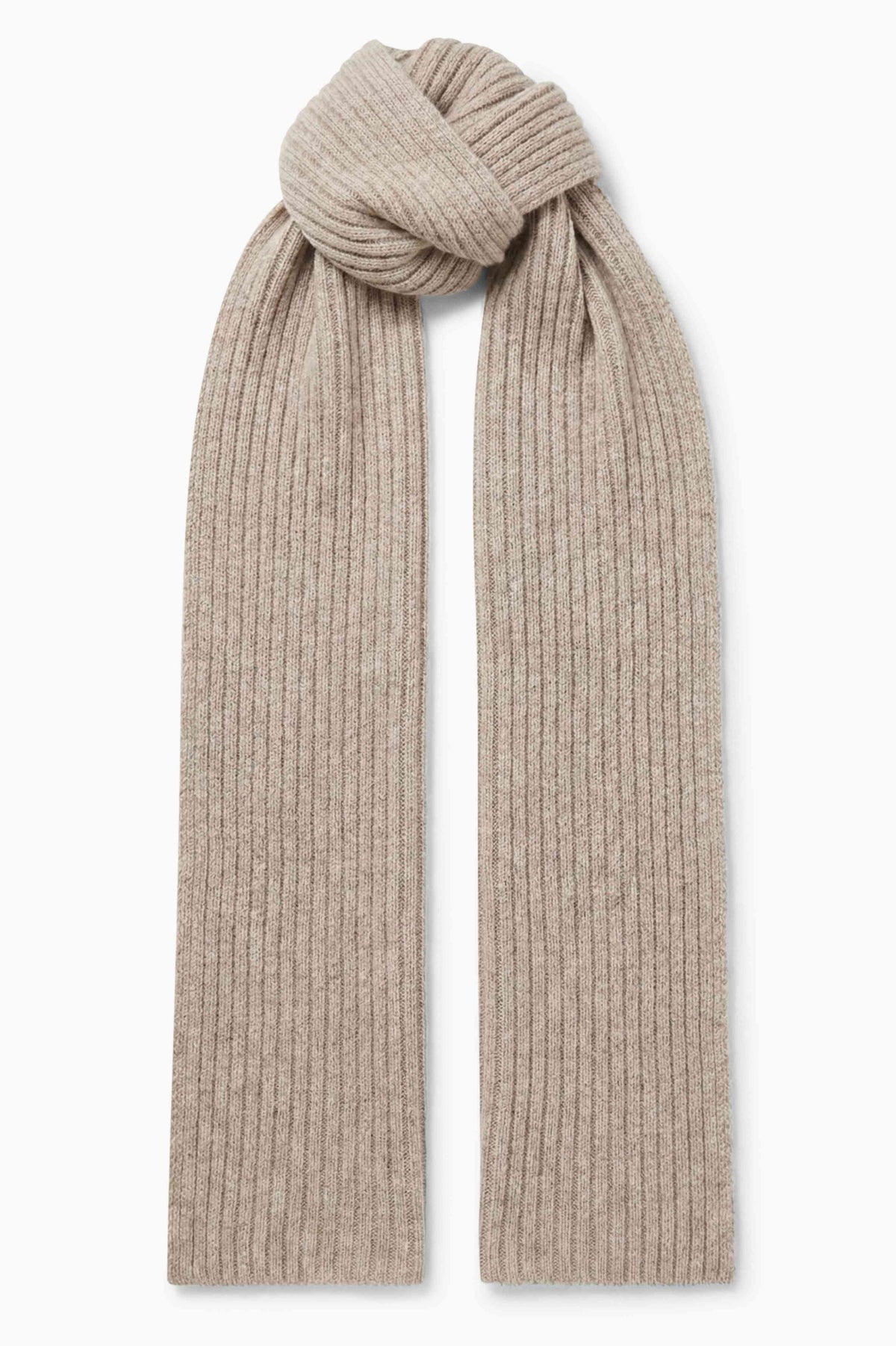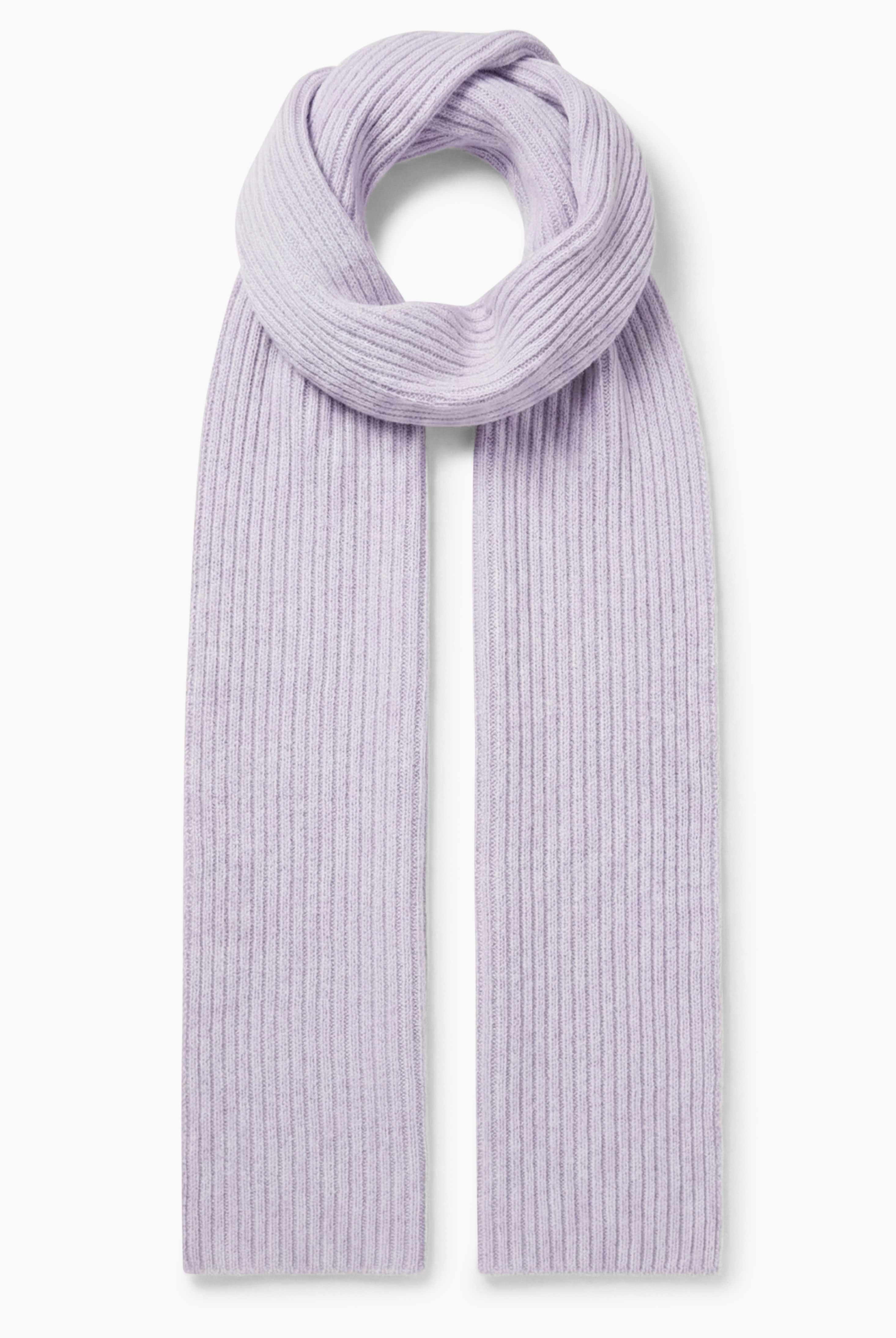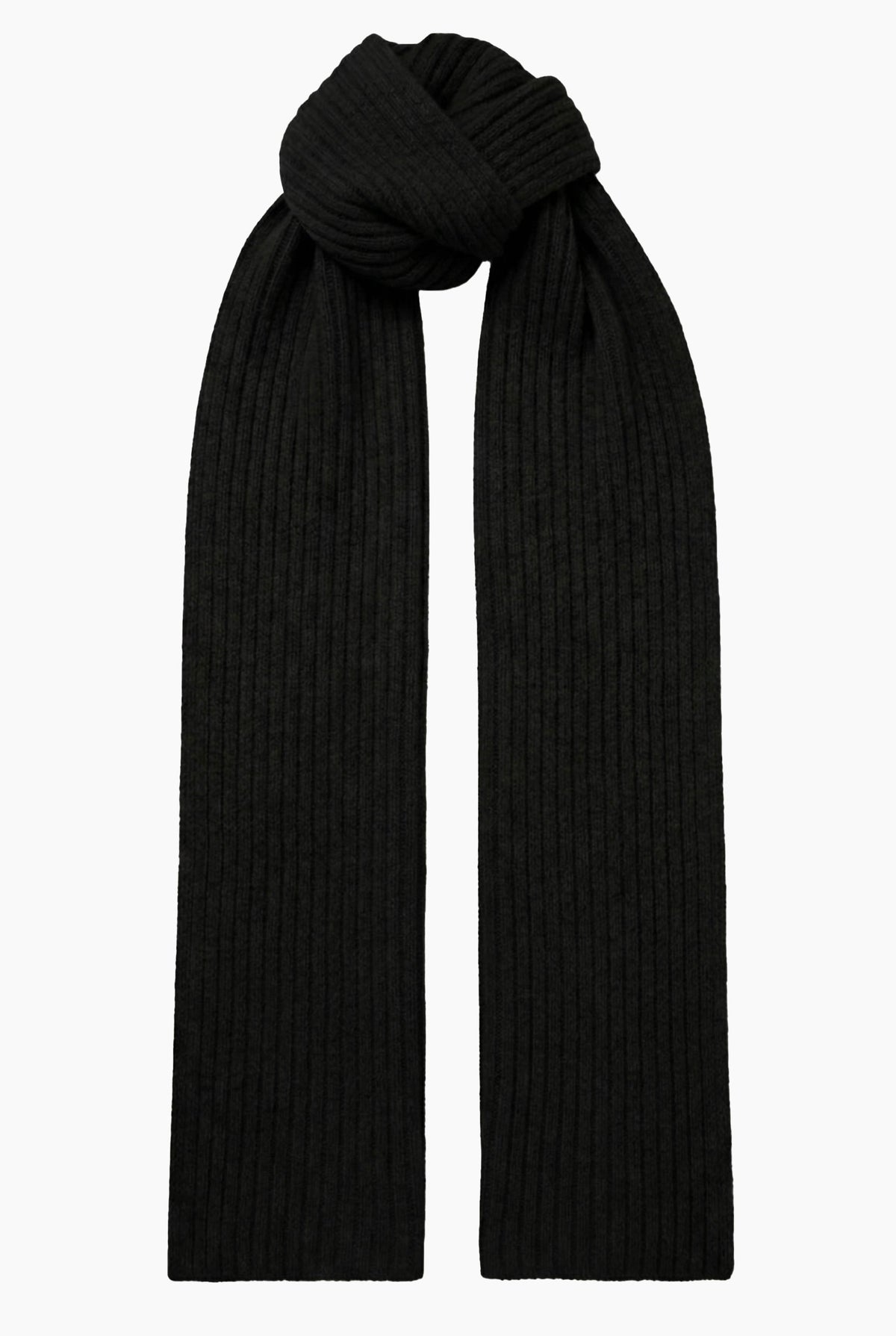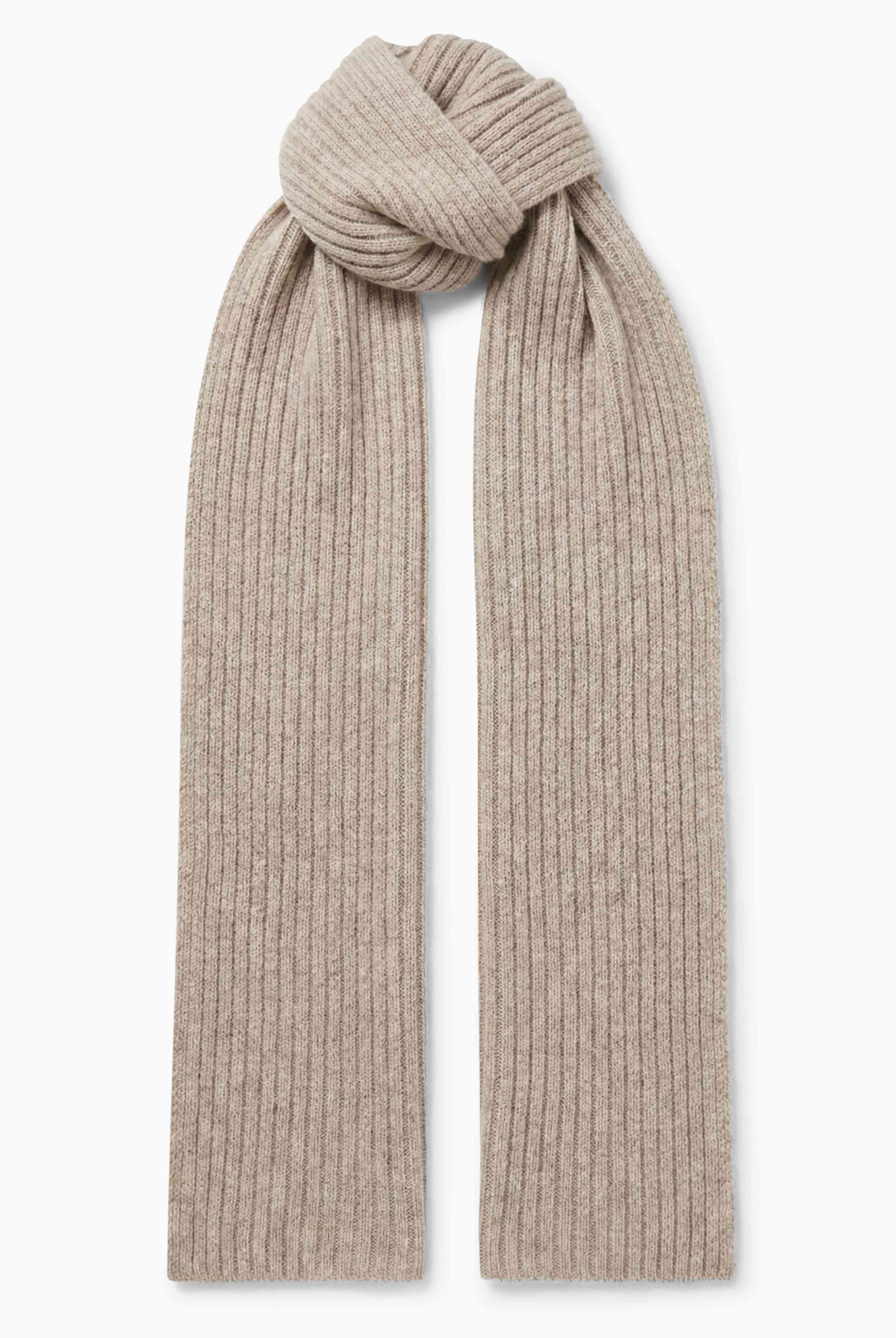


Cashmere is one of the world’s most precious natural fibres, combed by hand from the soft undercoat of Mongolian goats. Exceptionally fine, light and warm, it is a fibre prized for its beauty and longevity. With the right care, your cashmere will not only endure, but become softer and more beautiful with time.

Is cashmere difficult to care for?
Not at all — though it does benefit from thoughtful handling. Cashmere is a luxury fibre designed to last for many years, so treating it gently will preserve its shape, softness and finish. Hand washing remains the most effective way to maintain its integrity, and when done correctly, it is simple and rewarding.
Follow our care guidance below and your cashmere will remain exceptional season after season.
How to Handwash Cashmere
Hand washing is the preferred method for caring for fine cashmere knitwear.
- Turn the garment inside out to protect the outer surface.
- Fill a clean basin with tepid water and add a generous capful of specialist cashmere detergent or a mild detergent suitable for delicates.
- Submerge the garment fully, gently swishing with your hands to allow the fibres to absorb the water.
- Leave to soak for 5–10 minutes.
- Rinse thoroughly using the same gentle method.
- Press out excess water carefully — never wring or twist. Saturated garments should not be lifted until excess water has been gently removed, as this can cause stretching.
- If desired, a short, light spin in the washing machine can help remove remaining water.
- Lay flat to dry away from direct heat or sunlight. Reshape while damp.
- Never hang cashmere, as this will distort the shape and fit.

Can You Machine Wash Cashmere?
While hand washing is always recommended, cashmere can be machine washed when necessary.
If choosing to do so:
- Turn the garment inside out and place it in a protective wash bag
- Use a specialist cashmere detergent or a mild detergent suitable for delicates
- Select the most delicate wash and spin cycle
- Wash at 30°C / 86°F
- Reshape while damp and dry flat
Machine washing should be occasional and done with care.

How to store cashmere?
Proper storage is just as important as washing.
Always store cashmere freshly cleaned, free from perfume, deodorant, body oils or stains, as these can damage fibres and attract moths.
Once fully dry:
- Fold the garment neatly, keeping it inside out to reduce surface friction
- For additional protection, fold with acid-free tissue paper
- Store in a cool, dry cupboard or drawer
- For long-term storage, use a sealed storage bag
Never hang cashmere, as gravity will stretch the fibres over time.
Keeping Cashmere away from moths
Prevention is the most effective form of moth control.
- Never store garments unwashed — perspiration, food and body oils attract moths
- Store summer cashmere in sealed storage bags in a clean cupboard
- Moths dislike light and disturbance; air garments regularly and shake them out
- Consider occasional exposure to sunlight, which repels larvae
- Freezing is an effective natural solution: wrap cashmere in acid-free tissue, seal in a bag, freeze overnight, then defrost slowly
- Use natural anti-moth deterrents such as cedar balls, lavender or herbal sachets — replacing them each season
- Keep wardrobes and drawers clean by vacuuming and wiping down regularly

Pilling
During the first few wears, you may notice small balls of fibre forming on the surface of your cashmere. This is known as pilling and occurs when loose fibres naturally rub together.
Pilling is not a sign of poor quality — in fact, it is characteristic of fine, carefully processed cashmere. Pills can be gently removed by hand or with a cashmere comb.
Once removed, the remaining fibres consolidate, leaving the garment smoother, softer and more refined. With time and care, cashmere improves — much like a fine wine.

Traceable & Responsibly Sourced.

Specialists in Baby Cashmere.

Designed Exclusively in London.