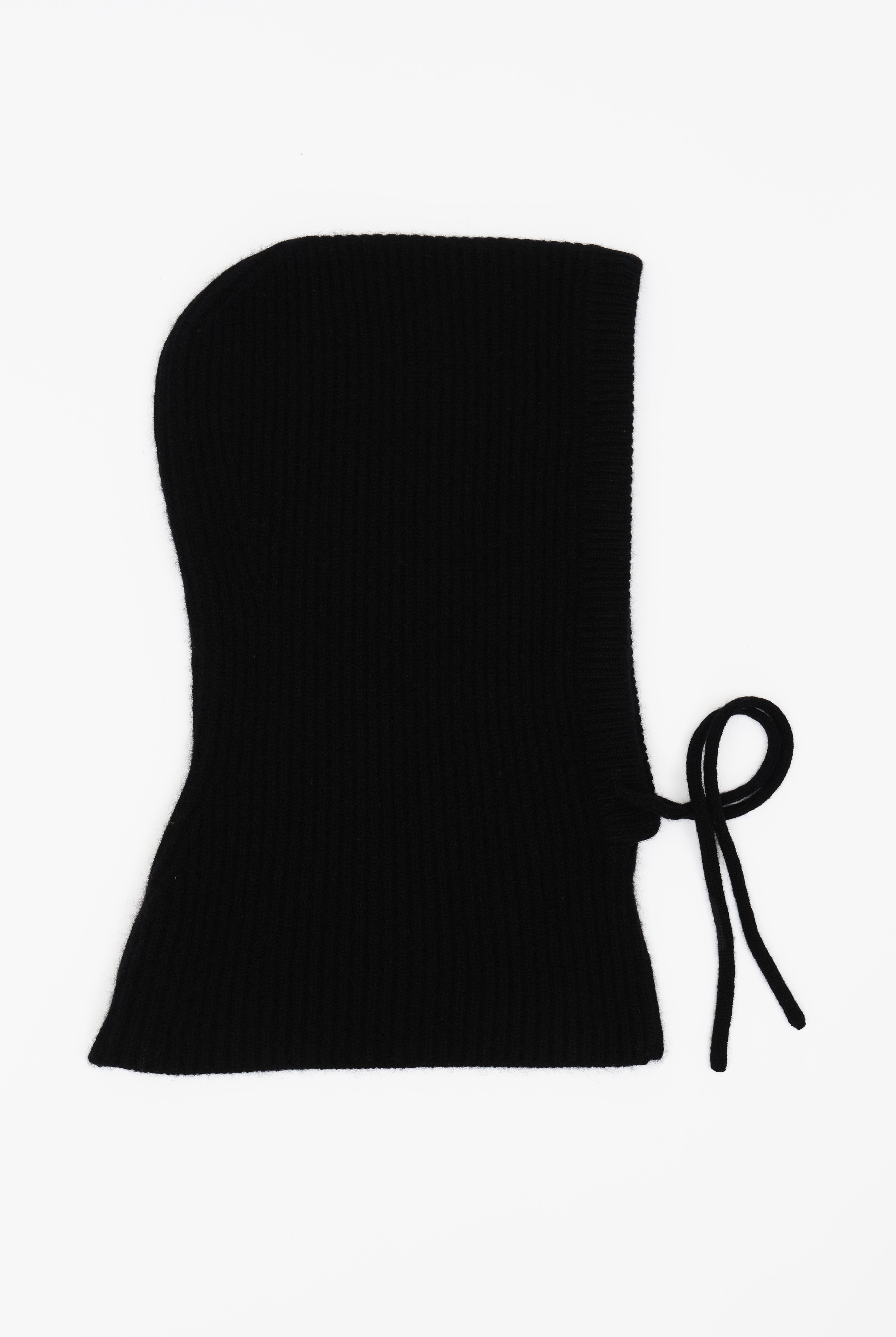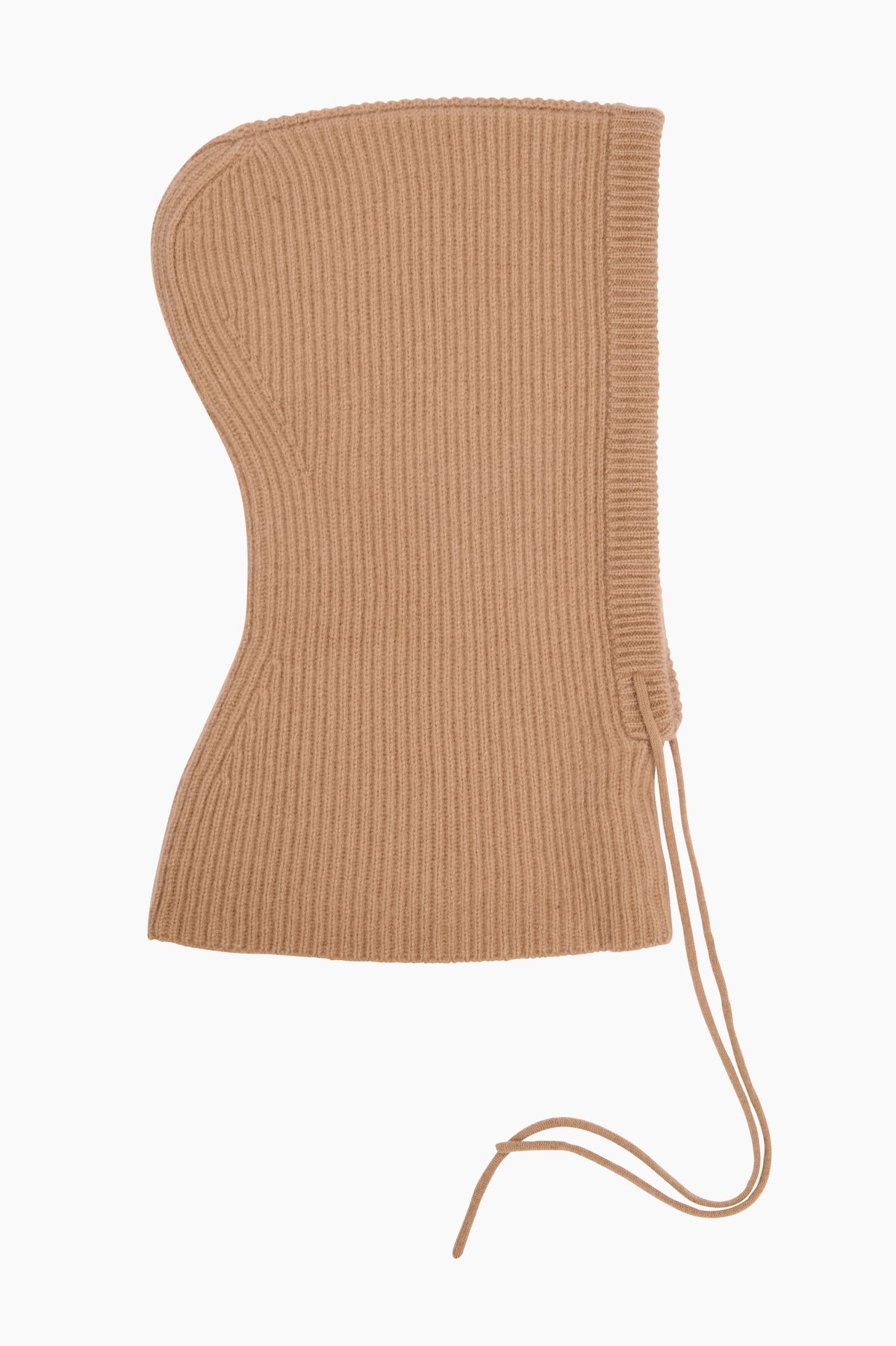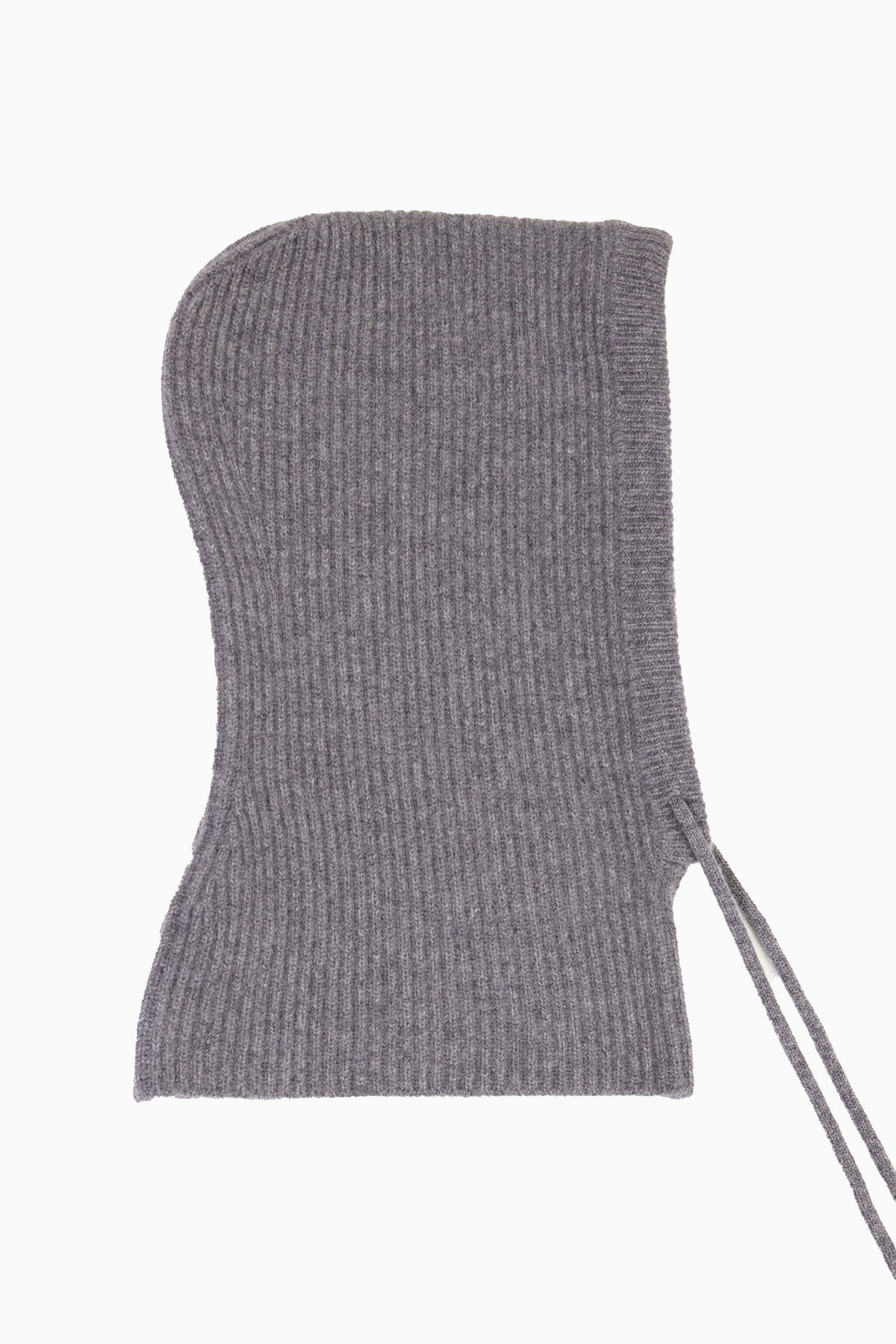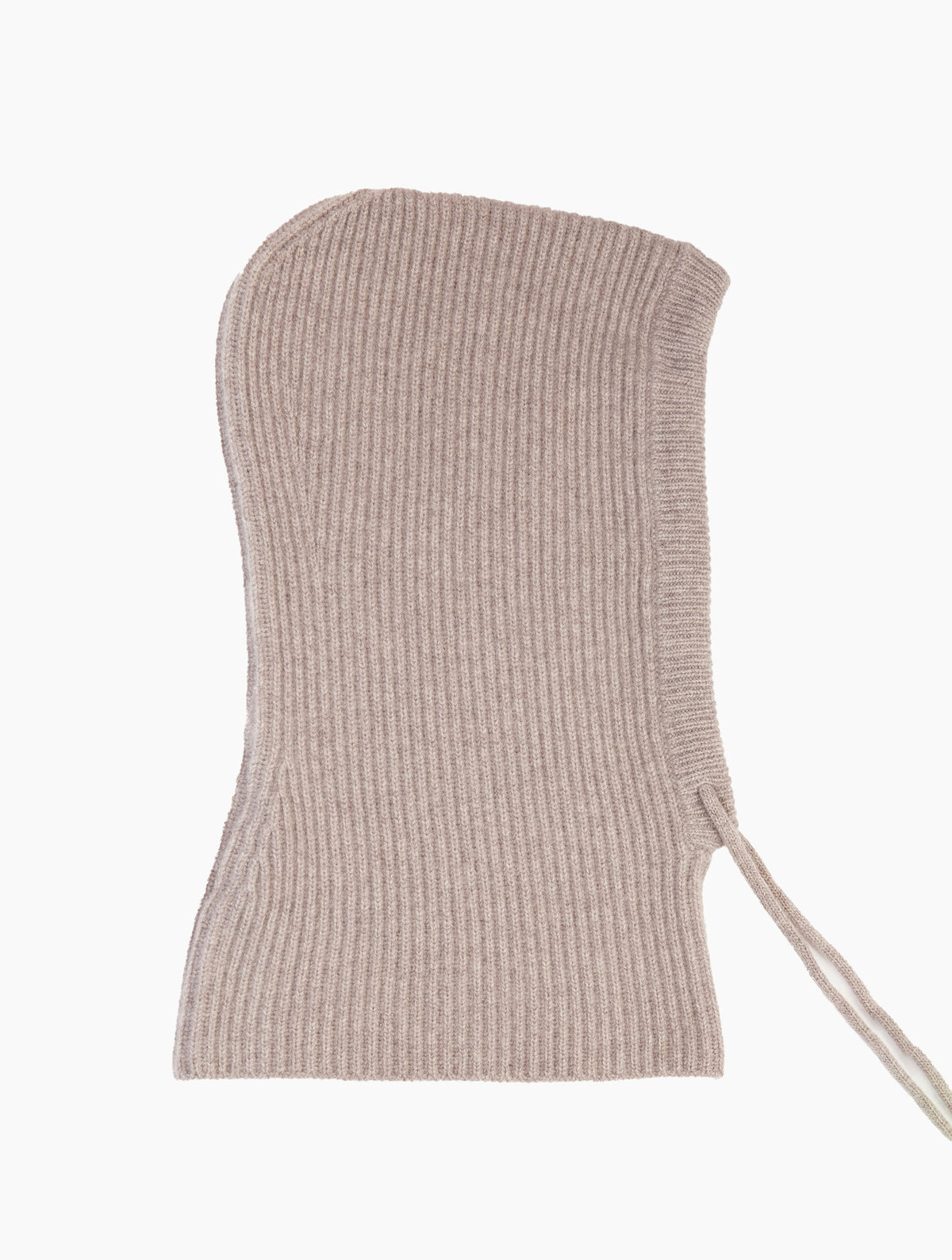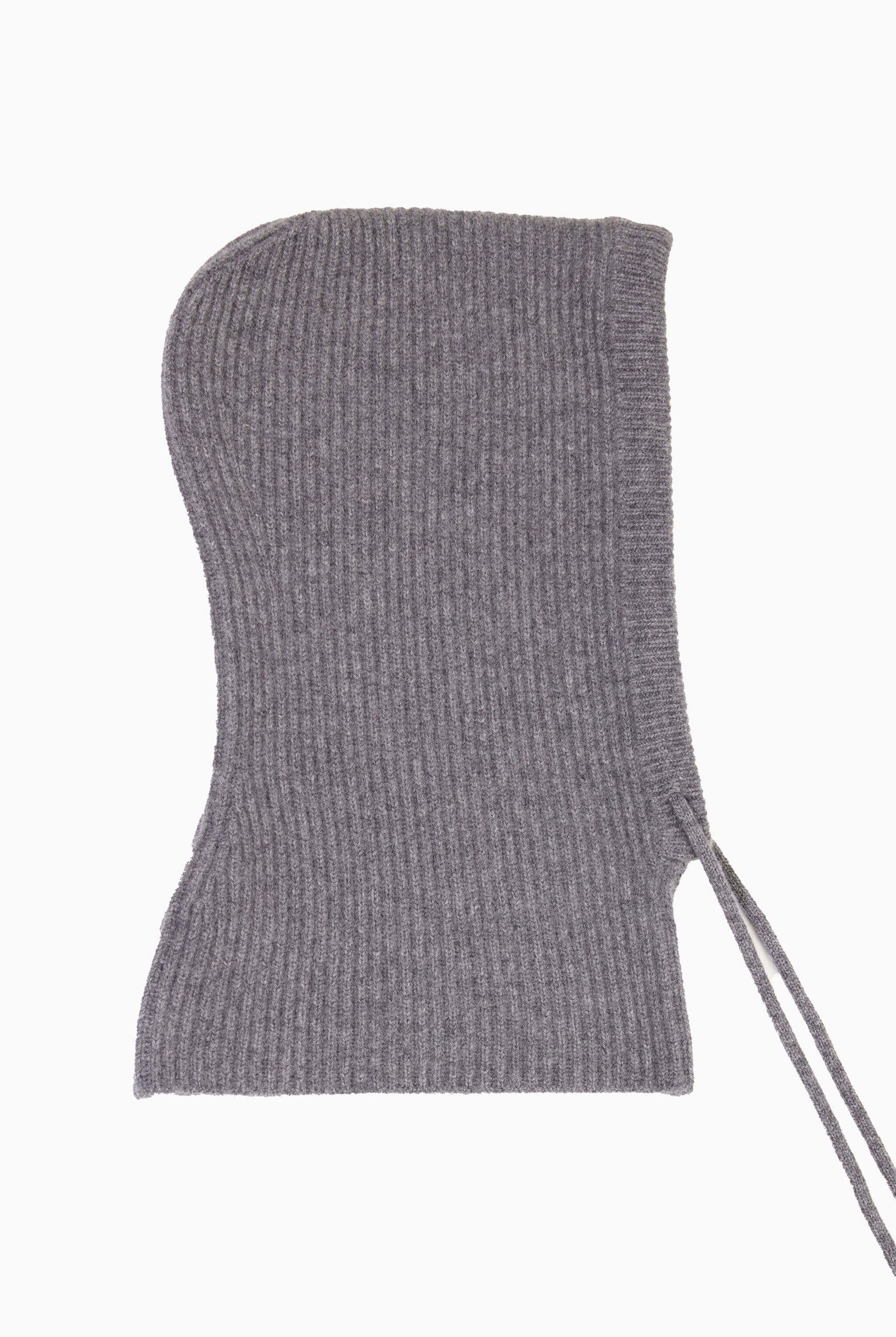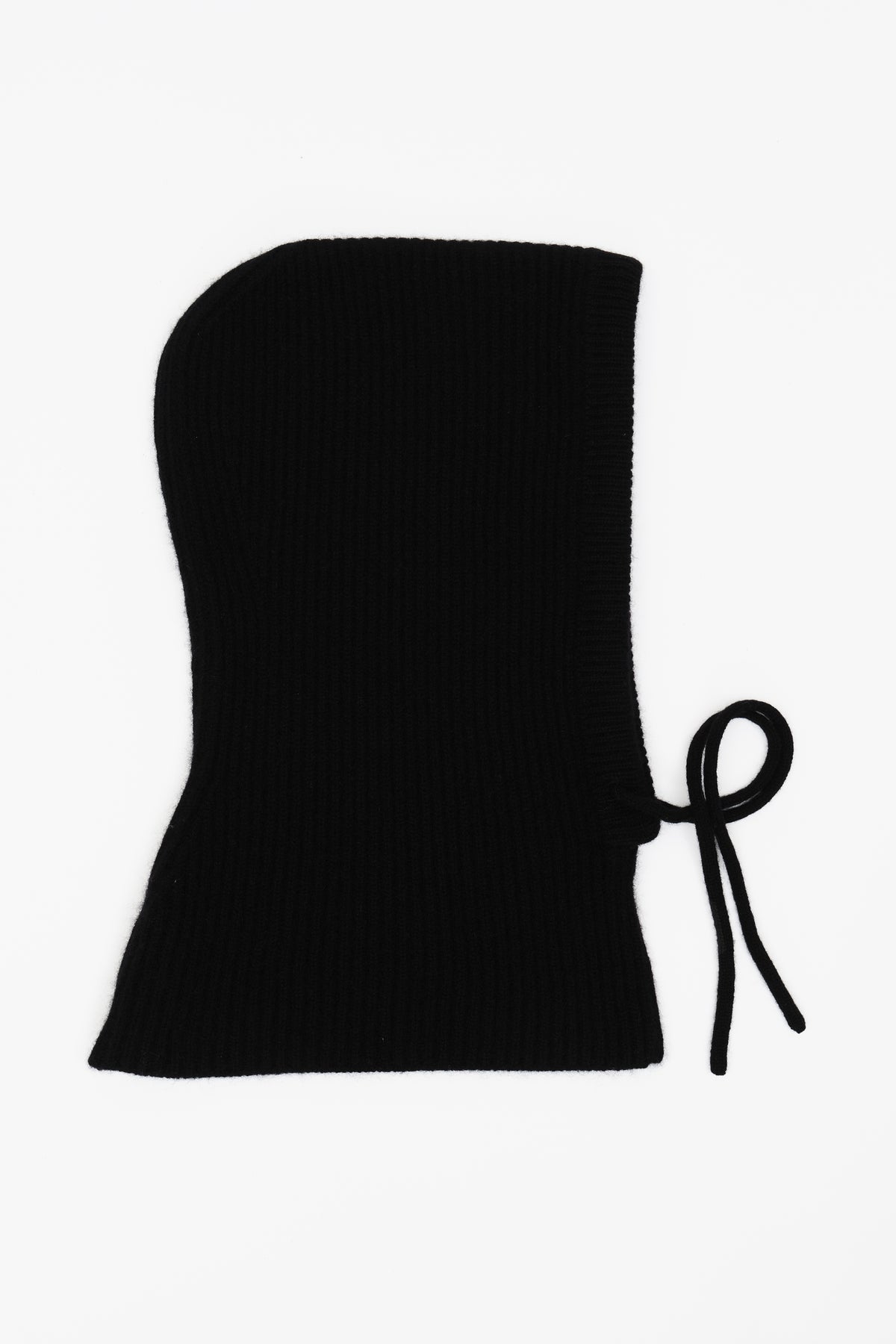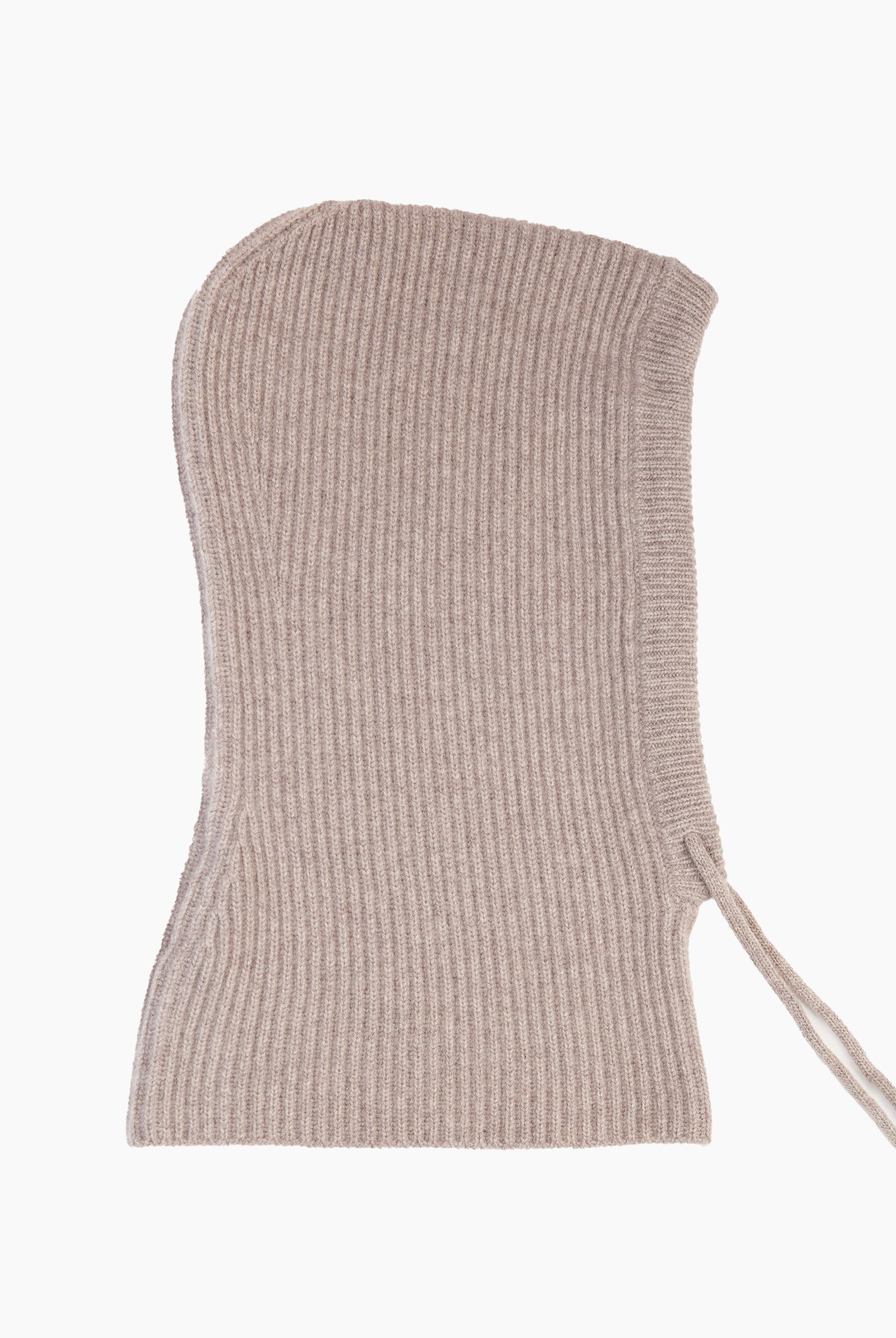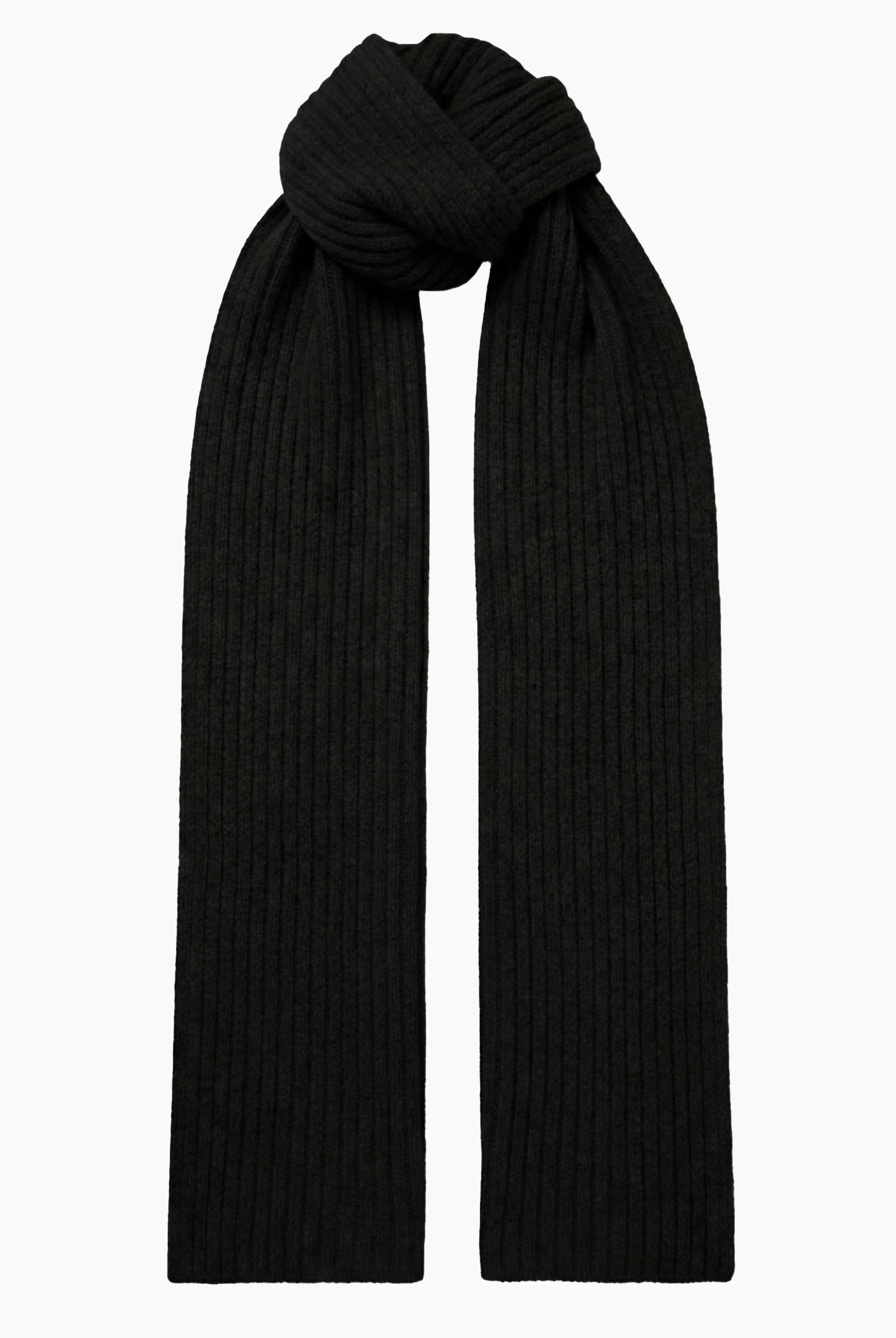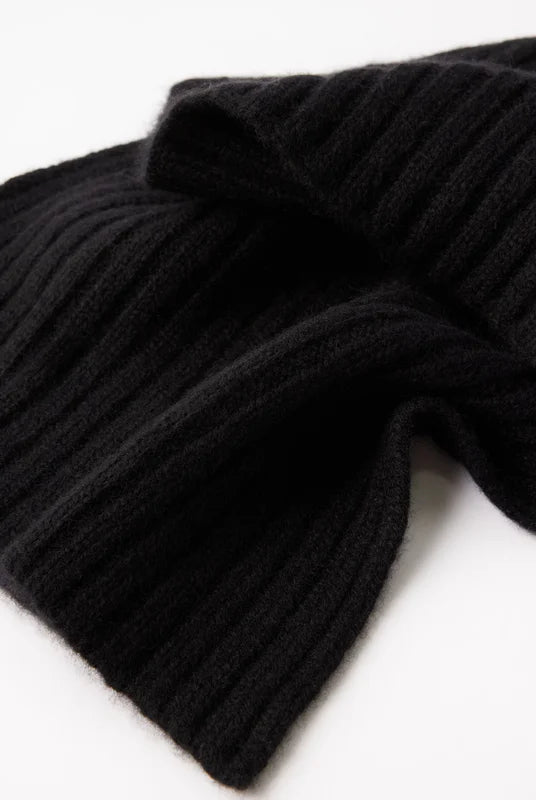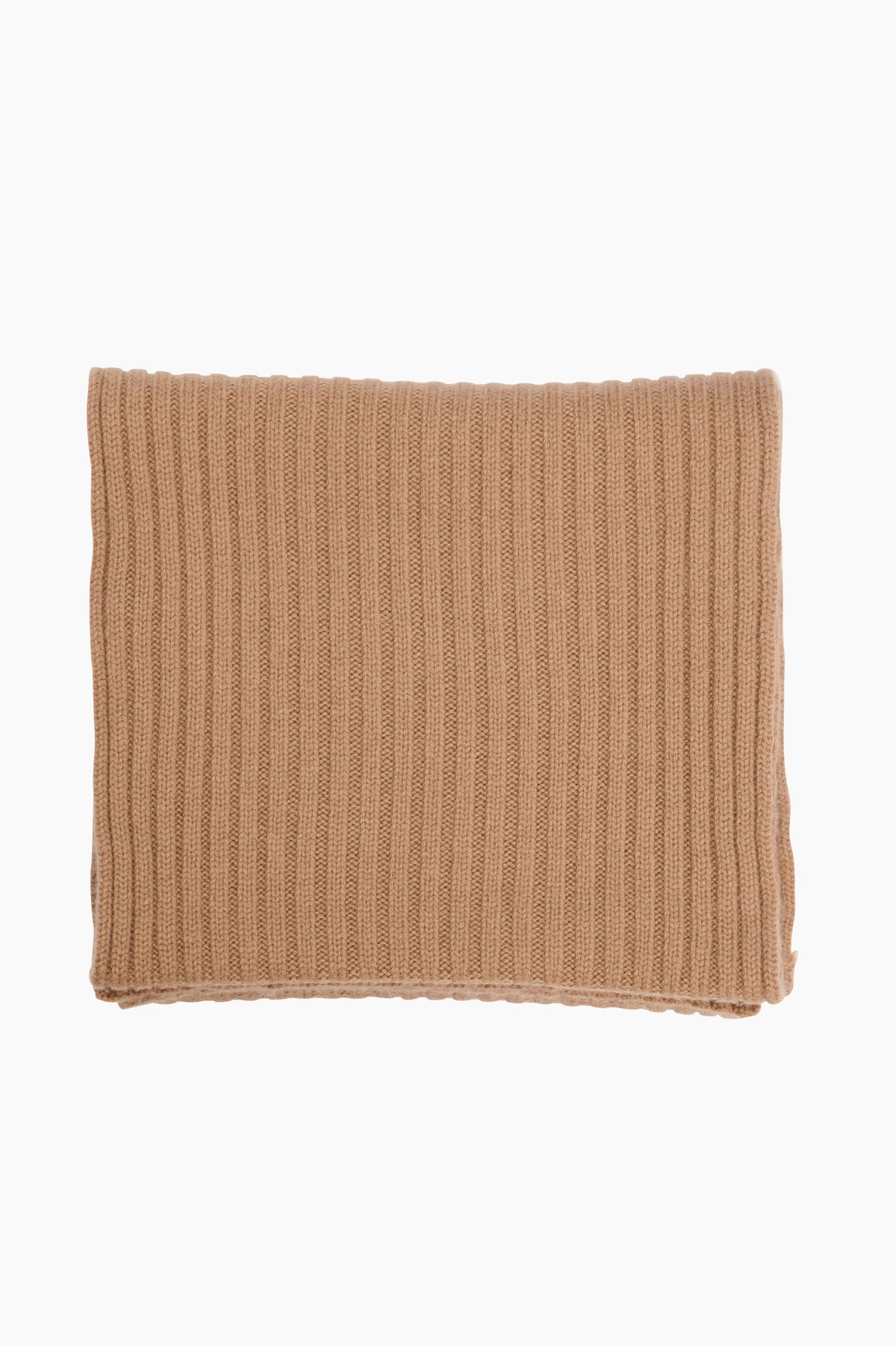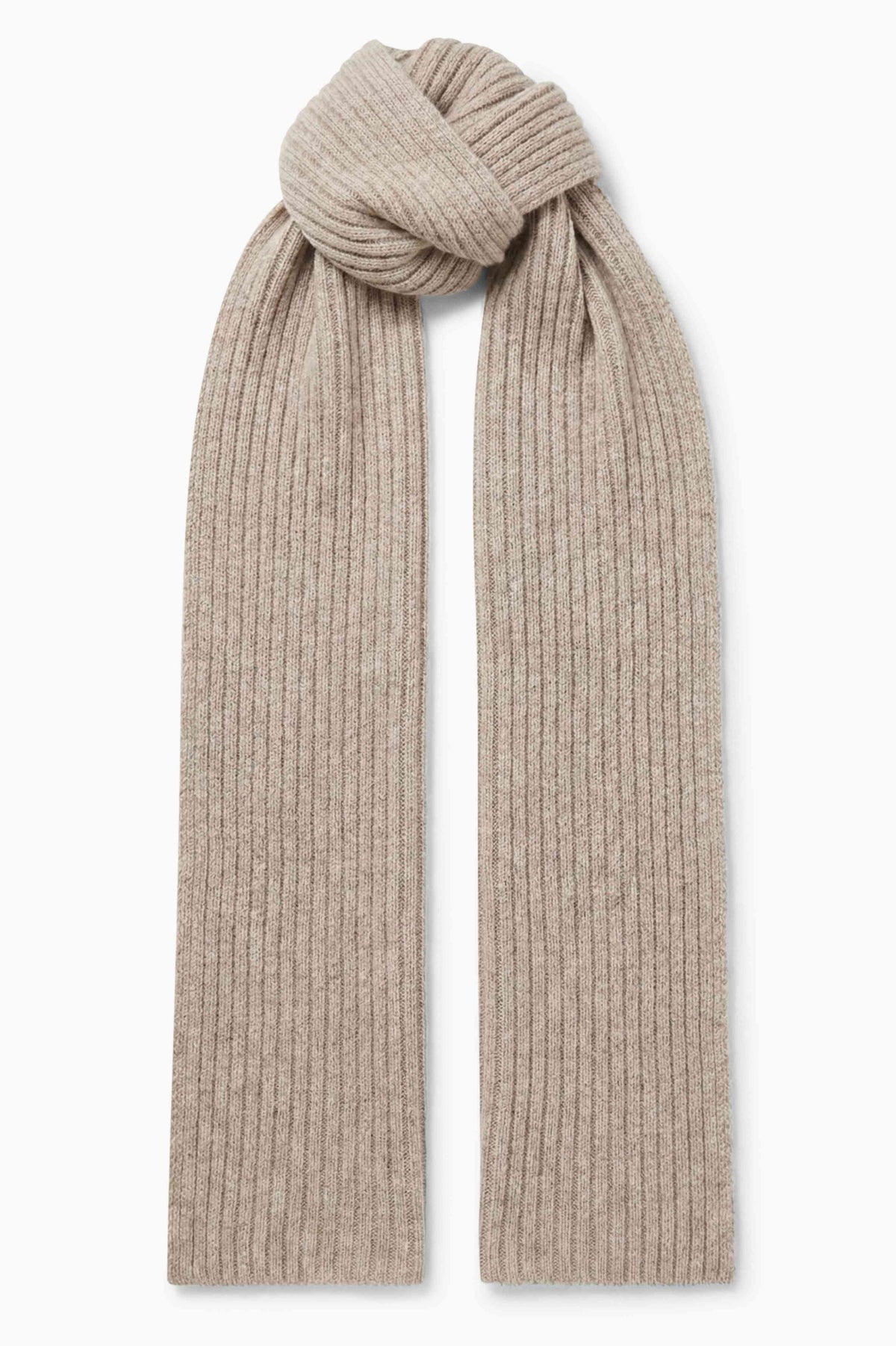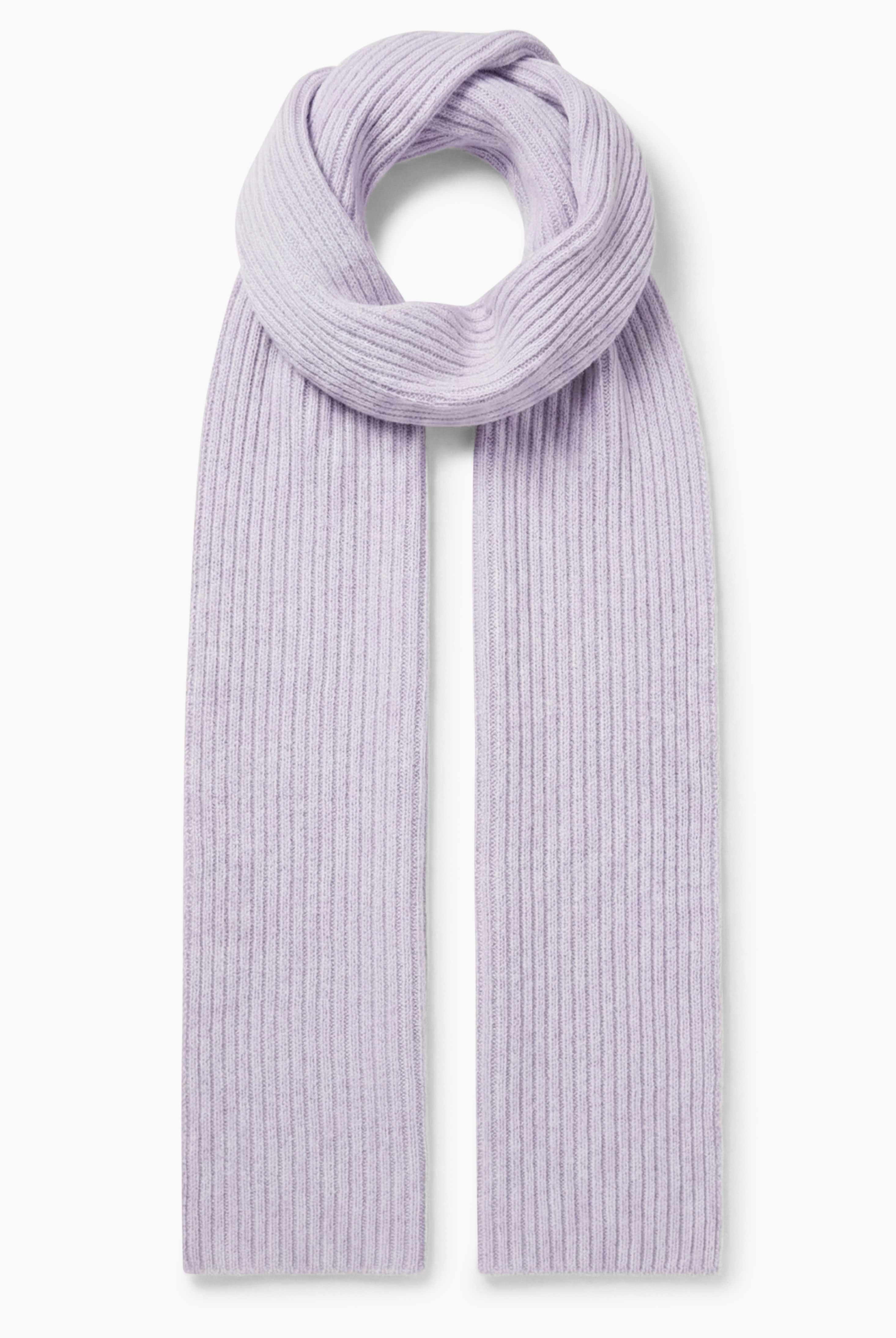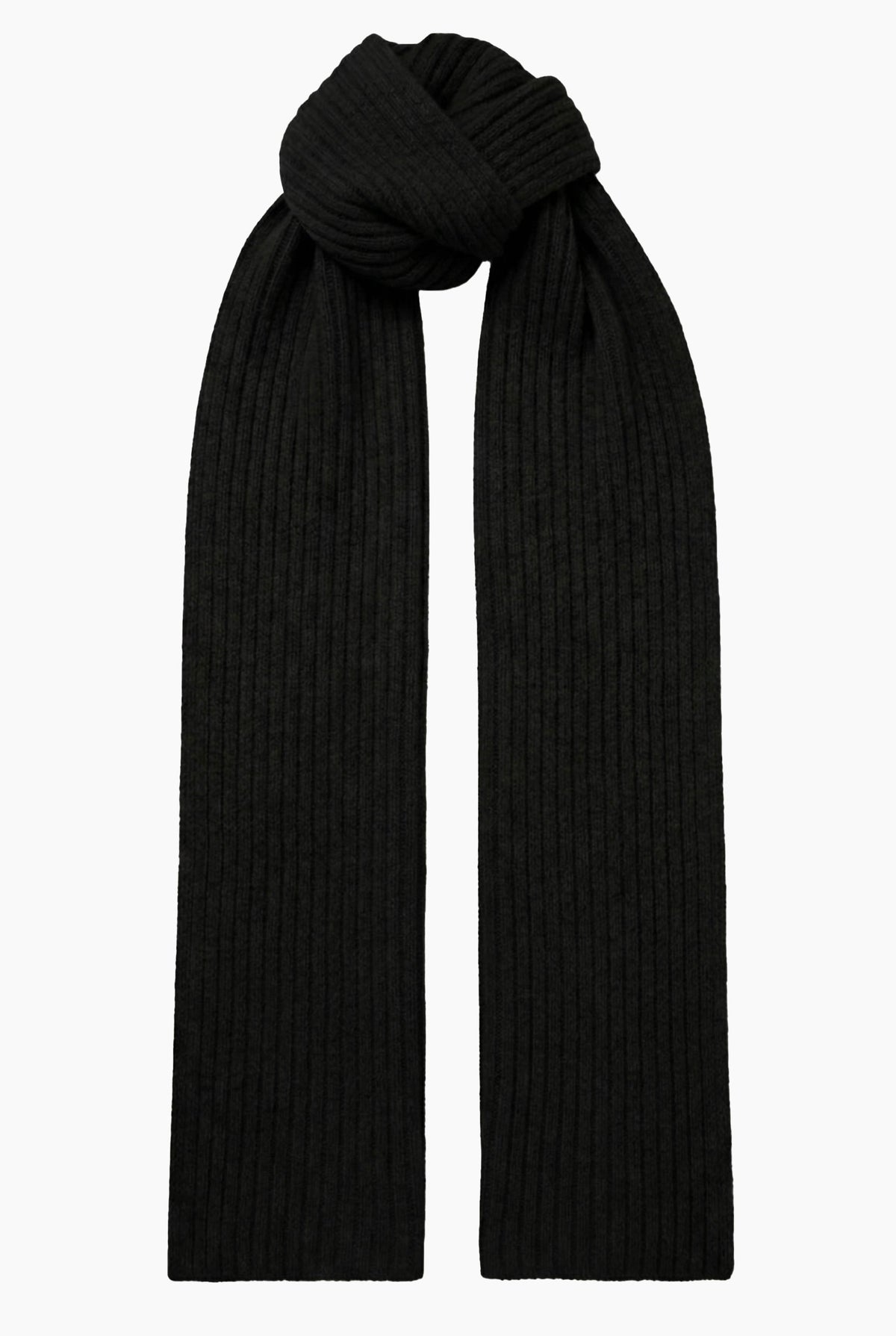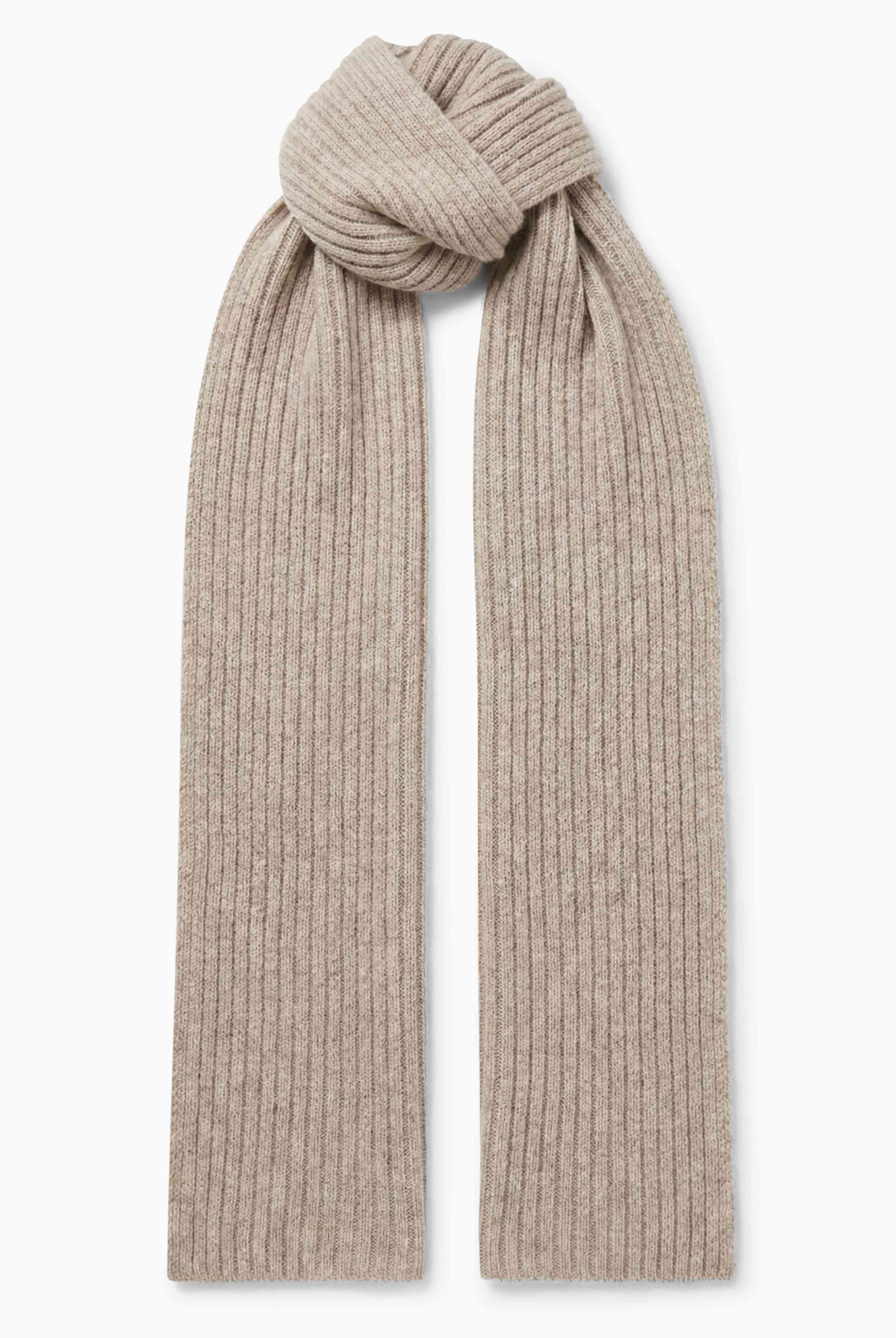


Often referred to as “soft gold”, baby goat cashmere is one of the rarest and most luxurious fibres used in garment making. Exceptionally fine, resilient and lightweight, it represents the pinnacle of cashmere quality.
This extraordinary fibre is sourced from the undercoat of young cashmere goats raised in the mountainous regions of Inner Mongolia, China — an environment defined by dramatic temperature extremes and vast open landscapes.
Why Climate Creates Exceptional Cashmere
Cashmere goats survive in regions where temperatures can swing from extreme cold in winter to intense heat in summer. To adapt, they develop a distinctive double fleece:
-
An outer guard layer that repels moisture and protects against wind
-
An ultra-fine undercoat that provides insulation and temperature regulation
It is this undercoat that produces baby goat cashmere — fibres that are finer, lighter and softer than standard cashmere.
The Rarity of Baby Goat Cashmere
Baby goat cashmere is collected in extremely small quantities. The fibres are harvested through a careful, labour-intensive process that prioritises animal welfare and fibre integrity. Each batch is then meticulously graded according to fibre diameter, length and colour.
At approximately 13.5 microns in diameter, baby goat cashmere fibres sit among the finest available in luxury textile production. Their exceptional fineness creates garments that are incredibly soft yet remarkably durable.
From Fibre to Luxury Yarn
Once sorted, the fibres are gently cleaned, dyed and spun into yarns. These yarns are then used to create luxury knitwear, including cashmere sweaters, cardigans and accessories, as well as woven fabrics for premium tailoring.
Due to its rarity and quality, baby goat cashmere is supplied to some of the world’s most prestigious fashion houses. It is also integral to arch4’s commitment to producing uncompromising luxury cashmere garments.
Baby goat cashmere is not simply a material — it is a testament to nature, craftsmanship and time-honoured expertise.