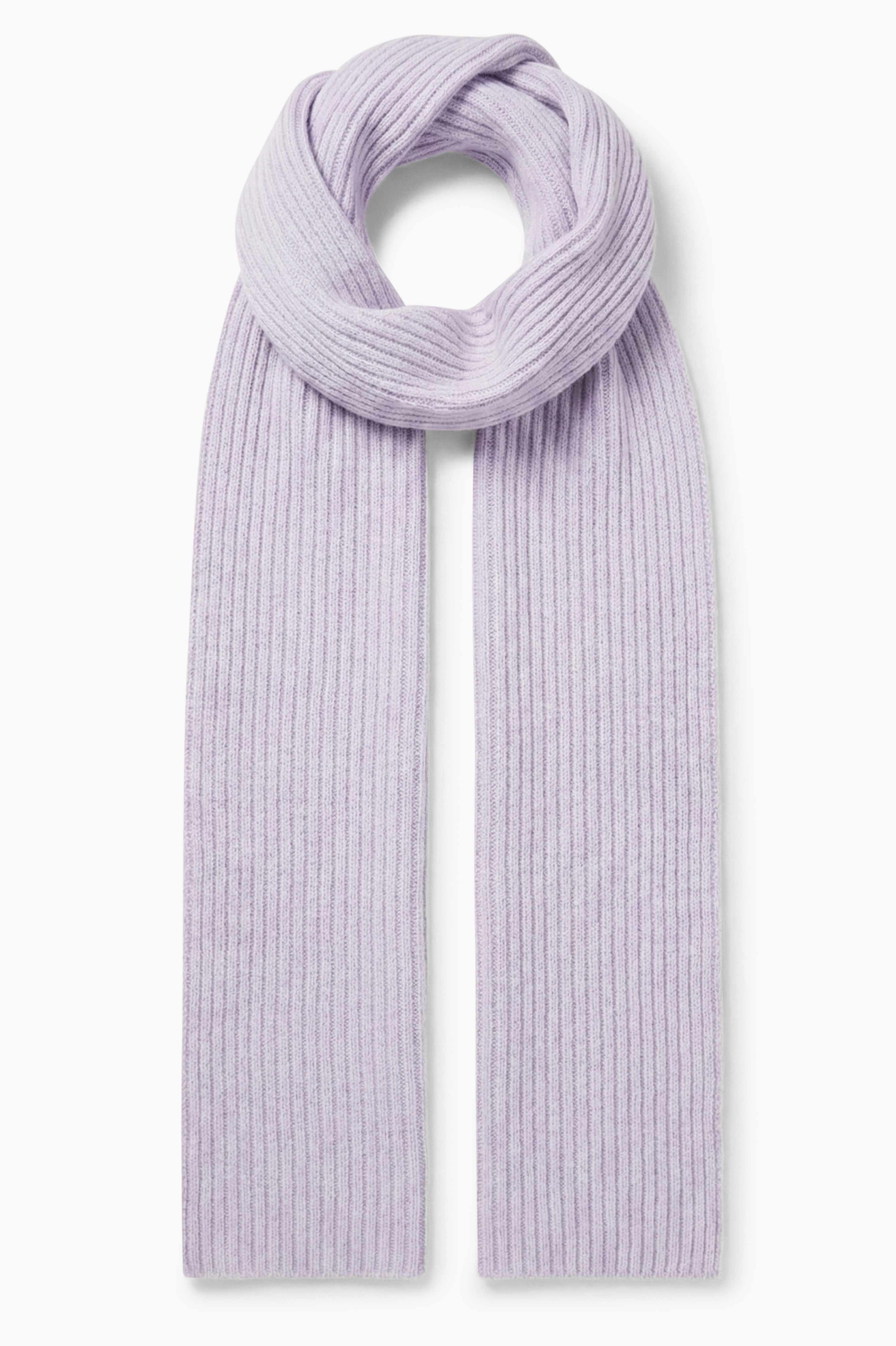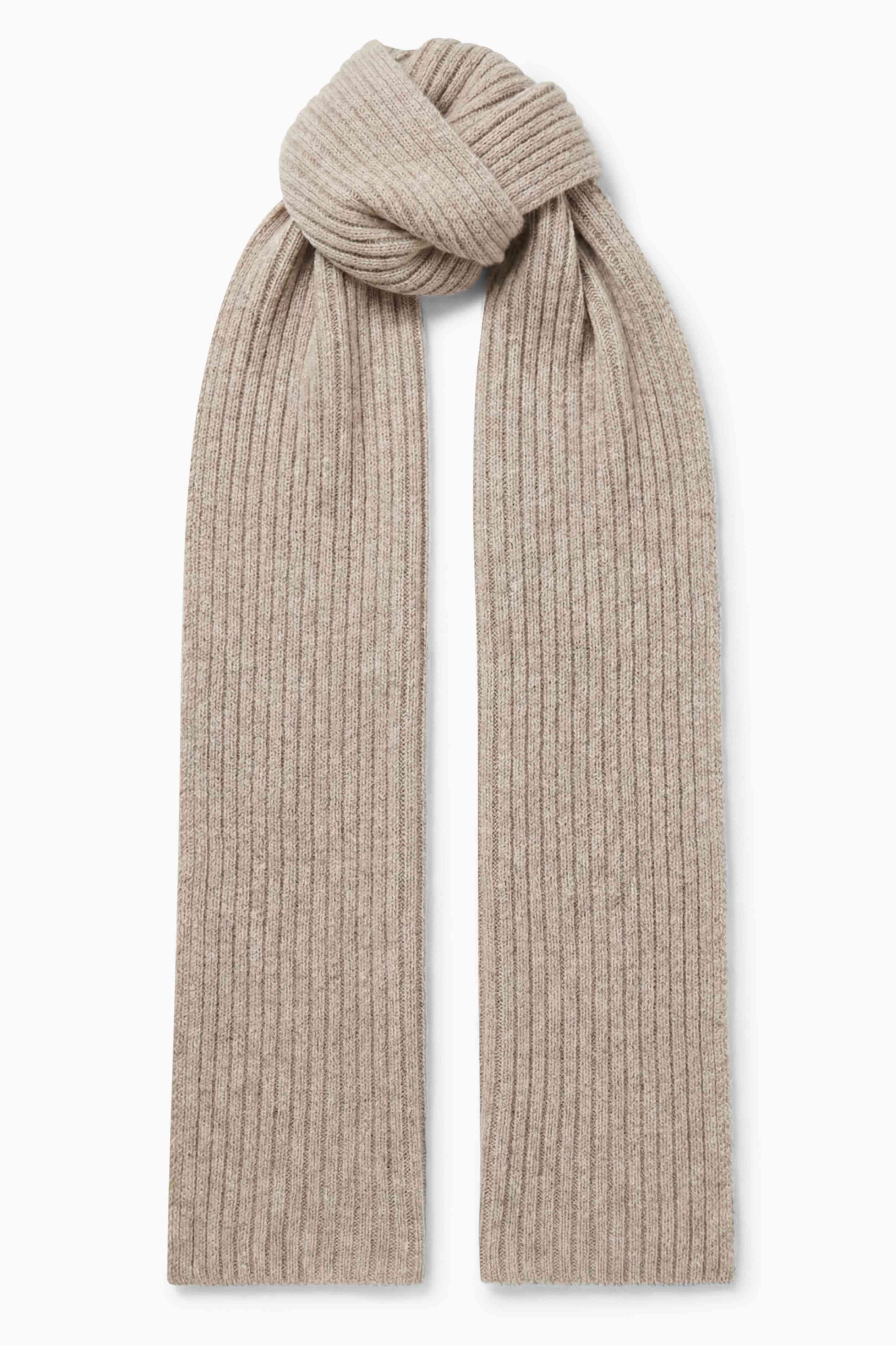


Cashmere is one of the world’s most prized premium fibres, valued for its exceptional softness, warmth and longevity. Among the regions synonymous with the highest quality cashmere, Mongolia stands apart. For centuries, Mongolian cashmere has played a vital role in both the country’s cultural heritage and its economy, shaping traditions that continue to influence luxury cashmere production today.
The Origins of Mongolian Cashmere
The history of cashmere in Mongolia is deeply rooted in the country’s nomadic way of life. For over a thousand years, Mongolian herders have bred cashmere goats for their fine undercoat, developing an intimate understanding of the animals and the land they inhabit.
Mongolia’s extreme climate — with winter temperatures dropping as low as -40°C — is central to the quality of its cashmere. In response to these harsh conditions, cashmere goats naturally develop an exceptionally fine and insulating undercoat beneath a protective outer layer. This undercoat is the source of the luxury cashmere fibre prized around the world.
Cashmere as Trade and Economic Foundation
By the early 19th century, Mongolian cashmere became an important commodity along historic trade routes connecting Mongolia with China and Russia. Demand for the fibre increased rapidly, providing nomadic herders with an additional source of income and embedding cashmere into the national economy.
However, early cashmere trade was largely unregulated. Quality varied widely, and low-grade fibres were often mixed with finer cashmere, limiting the global reputation of Mongolian production.
Regulation, Quality and Modernisation
In the mid-20th century, Mongolia began to modernise its cashmere industry. Government-led initiatives introduced cooperatives that allowed herders to organise production and receive fairer prices for high-quality fibre. Standards were established to protect fibre quality, ensuring Mongolian cashmere could compete on the international luxury market.
These changes marked a turning point. Mongolian cashmere gained recognition for its fineness, strength and consistency — qualities essential for premium knitwear and luxury garments.
Mongolia’s Role in the Global Cashmere Industry Today
Today, Mongolia produces approximately one-third of the world’s cashmere, making it one of the largest and most influential suppliers globally. The industry supports around 100,000 herding families and represents a significant share of the country’s export revenue.
Beyond economics, cashmere remains culturally significant. Traditional Mongolian garments continue to be made from cashmere, reflecting centuries of craftsmanship and respect for natural materials.
Challenges and the Future of Mongolian Cashmere
Despite its success, the Mongolian cashmere industry faces modern challenges. Climate change has led to more unpredictable weather patterns, placing pressure on grazing lands and herding communities. Additionally, reliance on export markets — particularly China — can create price volatility.
In response, Mongolia is increasingly focused on sustainable cashmere production, improved animal welfare, and greater local processing. These efforts aim to preserve the integrity of Mongolian cashmere while securing its future in the global luxury market.
The story of Mongolian cashmere is one of resilience, craftsmanship and adaptation. From its nomadic origins to its place at the heart of luxury fashion today, cashmere remains an enduring symbol of Mongolia’s natural and cultural heritage.